
Postpartum 101
Many parents find themselves unprepared for the postpartum period. Those first few days and weeks can feel like being thrown into a pool before learning



Many parents find themselves unprepared for the postpartum period. Those first few days and weeks can feel like being thrown into a pool before learning
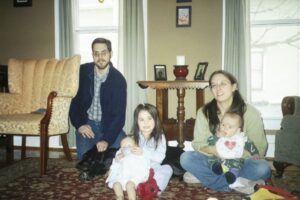
Every time little Carmen the Cover Model/Official Office Baby comes in, I will stop everything to hold her. Cuddling a baby in the middle of
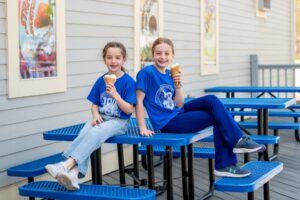
ABBOTT’S FROZEN CUSTARD CELEBRATES 100 YEARS One hundred years ago, Arthur Abbott opened the first Abbott’s Frozen Custard stand at the corner of Lake and
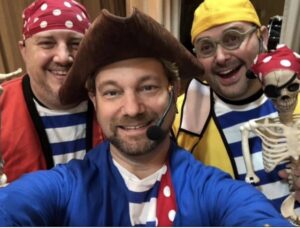
JULY 9–18 A YEAR WITH FROG AND TOAD This Tony-nominated musical follows Arnold Lobel’s classic characters, Frog and Toad, through four seasons of friendship. The

It’s the time of year for new routines or returning to old routines long forgotten in the lazy days of summer. This means packing lunches,
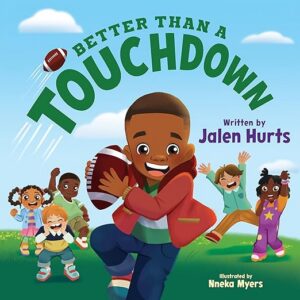
The start of the school year can bring kids new energy, excitement, experiences—and books! Teachers and librarians introduce fresh stories for all kinds of readers
New school year beginning? Playing on a different lacrosse team? Invited to a new friend’s house? While all of these are exciting, they can also

If someone mentions the RMSC Strasenburgh Planetarium, most people think about stars, planets, and space. The dome also serves as the perfect backdrop for laser
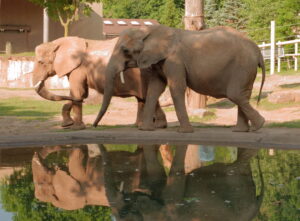
What has twelve legs, weighs more than twelve tons, and acts as an ambassador to an international foundation? Why the Seneca Park Zoo’s (SPZ) trio

Audrey is searching for kids in the Rochester area who are doing big things. Today she interviews twelve-year-old author Amirah Abdoch. She is a seventh

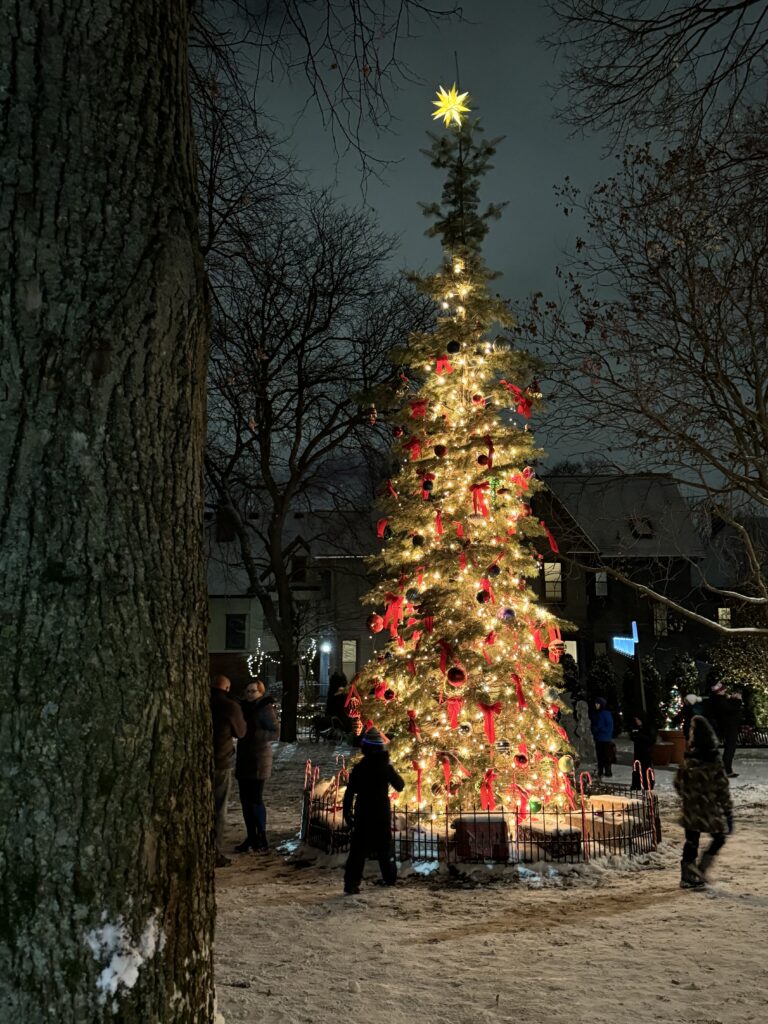
HOLIDAY OPEN HOUSE
The Park Avenue Merchants Association welcomes the public in a celebration of the season during its Holiday Open House.
Visitors to the event on December 3 can start holiday shopping at one of the many businesses along the avenue. Stores include Figgy Studio & Shop, which sells homemade jewelry, clothing, and more; F. Oliver’s, offering oils, vinegars, spices, and more; Parkleigh, a gift shop on the avenue since 1960; and many more.
Restaurants and pubs—such as ROAM Cafe—will be offering a variety of specials, and in past years, boutiques have entertained visitors with holiday prize wheels, raffles, live music, wine tasting, roasted chestnuts, cookie decorating, and more.
“It’s the best way to kick off the holiday season—exploring new and exciting places and visiting those beloved merchants who have made their mark on the avenue for years,” says Mary Bassett, president of the merchant’s association.
Families will have a chance to take photos with Santa at the Park Avenue Green, at the corner of Park Avenue and Barrington Street. There will also be a tree and menorah lighting as well, and guests can ride horse-drawn carriages. The event will also feature a holiday-themed train ride for kids.
Learn more: park-avenue.org/avenue-events/holiday-open-house.

APPLE TASTING TOUR
For the past twenty-nine years, the Wayne County Apple Tasting Tour has celebrated local farms and businesses.
During the month of October, visitors are encouraged to visit eleven businesses—farms, cideries, and wineries—as part of the tour. A “passport” can be found on appletastingtour.com with all locations listed, or participants can download the Apple Tasting Tour app.
Visitors can complete a word jumble for a chance to win up to $300 in prizes. They will find a letter at each stop, which they can add to their passport. All letters can then be scrambled to complete the puzzle.
October 9 through 12, deemed Signature Tasting Weekend, features apple tastings at the farm markets. There will be a mix of activities at the stops, including door prizes, special events, an opportunity for apple picking, animals to visit with, and play areas for families.
Wine tastings will take place at Young Sommer Winery and JD Wine Cellars at Long Acre Farms, and hard cider will be available at Embark Craft Ciderworks at Lagoner Farms or Old Goat Cidery at The Apple Shed. Visitors can also walk through the Amazing Maize Maze at Long Acre Farms.
“This tour gives people an opportunity to slow down and take time for themselves,” says Christine Worth, director of tourism for Wayne County. “Whether you can stop at a couple of the stops or do them all, it is an opportunity to be outdoors, enjoy the products grown and baked locally, relax, and have fun.”
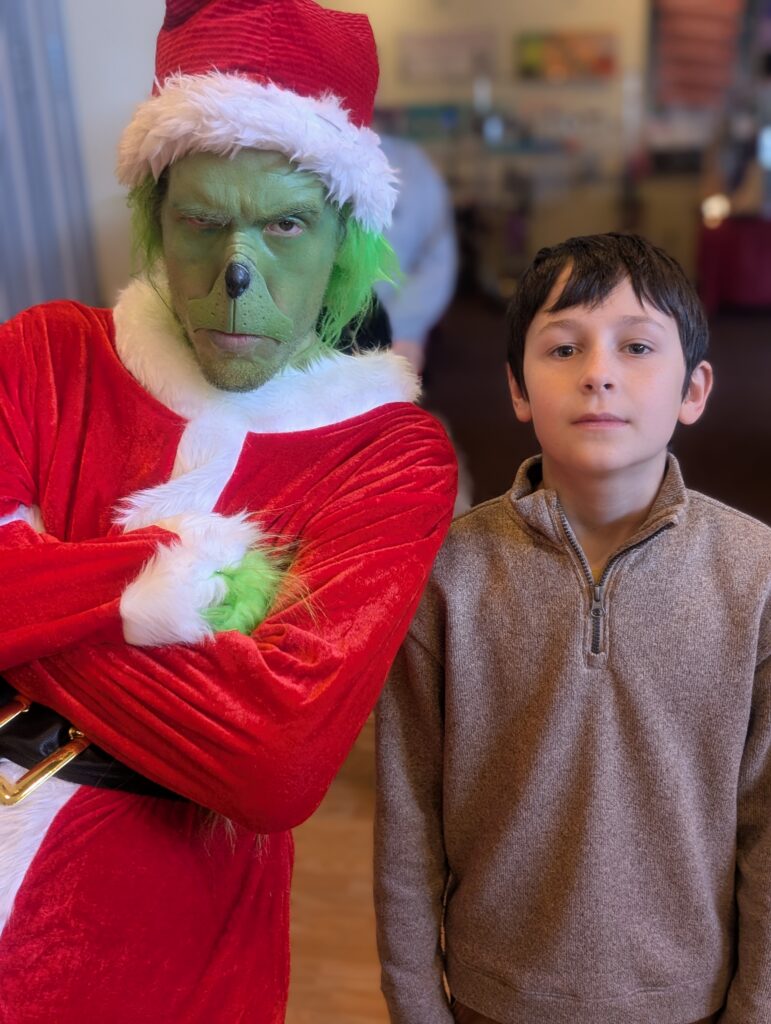
WINTERFEST
The Cobblestone Arts Center in Farmington hosts its annual Winterfest on December 12.
The center offers day programs for adults with disabilities, ranging from visual art and dance to music. It’s also home to the Cobblestone Players, a theater group that performs in rural communities around the area.
Winterfest features an artisan market with local craft vendors and artists. Seasonal snacks, treats, and beverages will be available at the free event. Kids can spend time at interactive arts and crafts stations and building areas. Santa Claus will be onsite for photos.
The center’s theater stage will host the Victor Pops Community Band, Womba Africa Drumming, dance performances by the St. Peter’s Community Arts Academy, and the Rochester City Ballet performing scenes from The Nutcracker.
This article originally appeared in the Fall 2026 issue of (585) Kids.
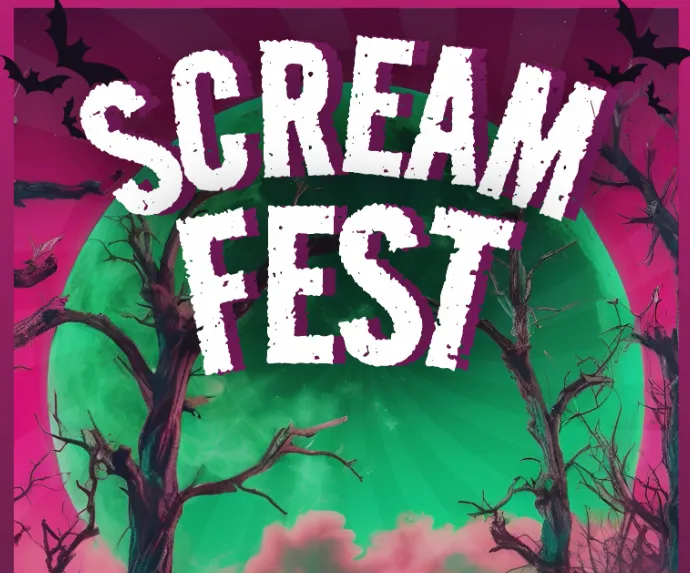
OCT. 10
SCREAM FEST
Hamlin Town Park will host a spooky festival this season, featuring a costume contest and a screaming contest—where a king and queen will be crowned. There will be family-friendly activities and food vendors onsite.
12-5 p.m.
Hamlin Town Park; 1658 Lake Road,
Hamlin; 964-7222; hamlinny.org
OCT. 21
SWAN LAKE
One of the world’s most beloved classical ballets, Swan Lake, is coming to Rochester. The iconic ballet, with a score by Tchaikovsky, will be performed by The United European Ballet Company. The story follows Prince Siegfried and Princess Odette as they navigate an evil sorcerer’s spell that turns women into swans.
7 p.m.
West Herr Auditorium Theatre;
875 E. Main St.; 222-5000; rbtl.org
OCT. 24
TRUNK OR TREAT
Homesteads for Hope will open its property for fifty or so decorated car trunks during its Trunk or Treat event this season. Kids can stop at each trunk to view a festive display and pick up some candy. The event will also feature pumpkin painting, festive music, a costume contest, interactive activities, and more.
12–2 p.m.
Homesteads for Hope; 2185 Manitou Rd.;
352-4673; homesteadsforhope.org
OCT. 30
A SPOOKY CONCERT
The Temple Theater will host Candlelight: A Haunted Evening of Halloween Classics this season. The tribute concert by candlelight will feature music inspired by Halloween, like Michael Jackson’s “Thriller,” “The Addams Family Theme,” The Rocky Horror Picture Show’s “Time Warp,” and more. This event is for ages eight and up.
2 p.m.
Temple Theater; 50 Liberty Pole Way; feverup.com
OCT. 31
MAKE A SPOOKY COMIC WITH A SPOOKY SOUNDTRACK POP-UP
Creativity lab director Dave Chisholm is leading a very spooky ninety-minute pop-up event that will be fun for all. He will lead kids as they make spooky comics, each with a spooky music soundtrack. Be prepared for zombies, vampires, and cosmic monsters. Registration required.
1–2:30 p.m.
Hochstein Creativity Lab,
50 N. Plymouth Ave.; 454-4596;hochstein.org/events/spooky-comic-pop-up
NOV. 7–JAN. 3
GINGERBREAD DISPLAY AT GEM
Every year, the George Eastman Museum is taken over by dozens of deliciously decorated gingerbread houses. These visual treats for the family will be auctioned in a silent auction. Visit eastman.org for admission information.
The George Eastman Museum, 900 East
Ave., 327-4800, eastman.org
NOV. 7
THE ROCHESTER CHILDREN & TEENS’ BOOK FESTIVAL
Fifty authors and illustrators will be onsite at this year’s Rochester Children & Teens’ Book Festival. The professionals will be meeting guests and signing books purchased at the event. There will also be crafts, drawing workshops, readings, panels, and more. New this year is a Teen Scene, with programming and authors specific to the age group.
10 a.m.-4 p.m.
Monroe Community College’s R. Thomas Flynn Campus Center; 1000 East Henrietta Rd.; rcbfest.com
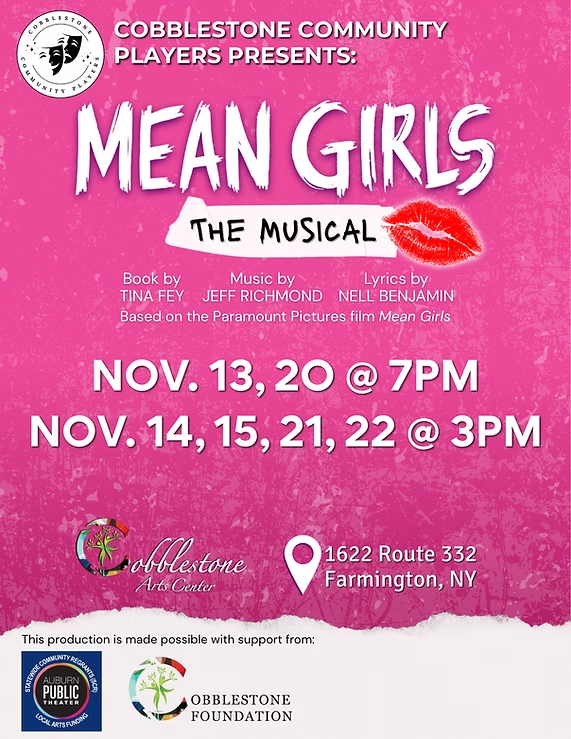
NOV. 13–22
MEAN GIRLS: THE MUSICAL
Based on the 2004 film written by Tina Fey, Mean Girls: The Musical is a story about Cady, a newcomer to her suburban Illinois high school. She attempts to infiltrate a group of popular girls in an attempt to initiate their downfall.
Cobblestone Arts Center;
1622 Route 332, Farmington; 398-0220; cobblestoneartscenter.com
NOV. 20–22
HOLIDAY ARTS & CRAFTS BAZAAR
This holiday bazaar is a juried show with five floors of displays across the RMSC campus. Shoppers can expect a spectacular variety of carefully selected exhibitors showcasing creative, unique, hand-made items.
Rochester Museum and Science Center;
657 East Ave., 271-4320, RMSC.org
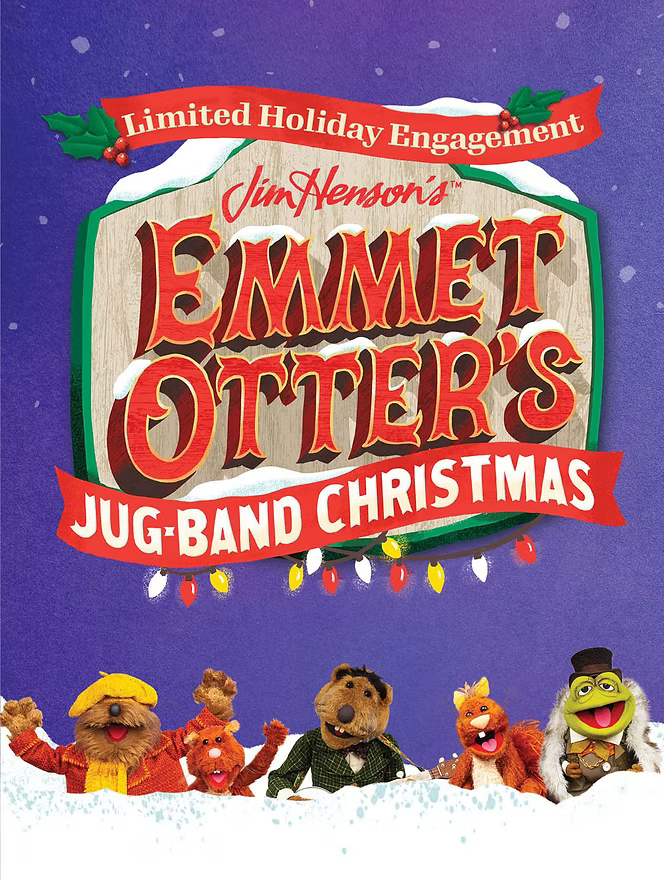
NOV. 25–DEC. 12
EMMET OTTER’S JUG-BAND CHRISTMAS
Jim Henson’s classic TV special comes to the stage in Emmet Otter’s Jug-Band Christmas at OFC Creations Theatre Center. It’s the holiday season, money is tight, and both Emmet and his mom wonder how they will buy presents for each other. The town announces a Christmas talent contest—with a prize of $50—and both of their imaginations start to run wild.
OFC Creations Theatre Center;
3450 Winton Pl.; 667-0954; ofccreations.com
Nov. 27–Dec. 20
A MAGICAL CHRISTMAS ADVENTURE
The Lodge, decked out in Christmas splendor, will host Santa and Mrs. Claus, as they bring holiday wonder to Hidden Valley. Guests can frost butter cream cookies, write letters to Santa, and visit with Santa to take photos. Next, visitors board a trolley to be transported to Hidden Valley’s Mystical Forest to view the animals. Back at the station, every- one can feed and pet a variety of live animals in open-air stalls on the patio just outside the Trailside Grill.
9 a.m.–4:30 p.m.
Hidden Valley Animal Adventure
2887 Royce Rd., Varysburg; 535-4100; hiddenvalleyadventure.com
DEC. 2
CLIFFORD THE BIG RED DOG
In Clifford the Big Red Dog, a new musical comedy based on the beloved children’s books, Emily Elizabeth loves her dog Clifford very much, and he grows and grows in response to that love. Ultimately, the girl and her family find themselves with a house-sized dog and a need to leave their apartment in the city for a home on an island. This musical is recommended for kids in pre-K through second grade.
10 a.m.
The Smith Opera House; 82 Seneca St.,
Geneva; (315) 781-5483; thesmith.org
DEC. 6
PICTURES WITH SANTA
Santa Claus will visit the Wadsworth Homestead in Geneseo this holiday season. The homestead, which has been in the same family for more than 200 years, will also host a professional photographer to capture guests’ moments with Santa. Attendees are encouraged to wear their favorite holiday attire.
1-4 p.m.
The Wadsworth Homestead; 4 South St.,
Geneseo; 764-9005; wadsworthhomestead.com
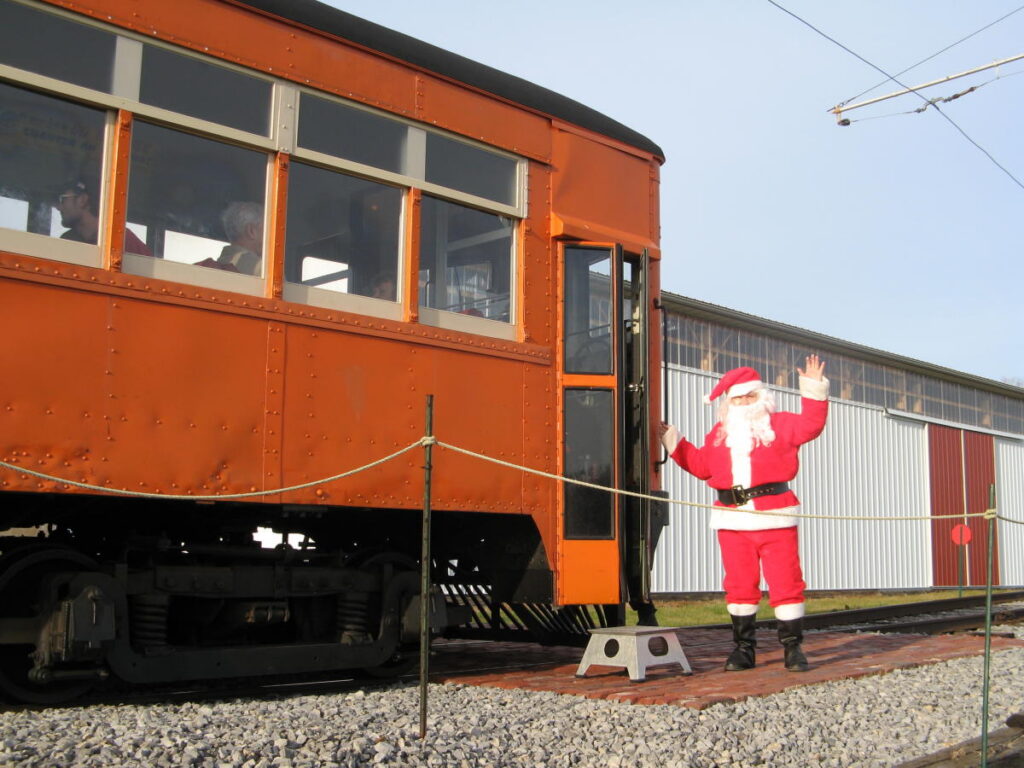
DEC. 6-13
HOLLY TROLLEY RIDES
The only trolley railroad in the state will provide a two-mile round-trip ride for visitors, as well as an opportunity to visit with Santa, in December. The New York Museum of Transportation will be decorated for the holidays, and museum exhibits will include the Midtown Plaza Monorail, a steam locomotive, several trolley cars, and more. Complimentary hot chocolate and cookies will be available.
New York Museum of Transportation; 6393 East River Rd.; nymtmuseum.org
DEC. 7
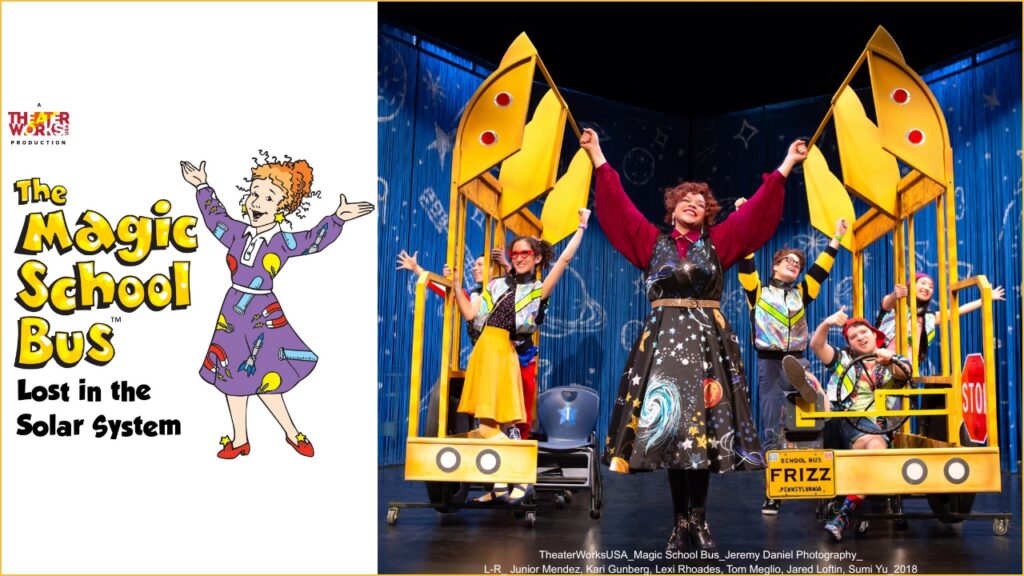
THE MAGIC SCHOOL BUS IN ELMIRA
This musical adaptation of the original book series, The Magic School Bus, follows a field trip to the planetarium with Ms. Frizzle. When the group gets lost along the way, Ms. Frizzle takes the trip out of this world, rocketing to outer space.
10 a.m. & 12:30 p.m.
Clemens Center; 207 Clemens Center Pkwy, Elmira; (607) 734-8191; clemenscenter.org
Dec. 7–12
THE LITTLE MERMAID
Deep beneath the Sassafras Sea lives Celia, a Little Mermaid along with her three sisters. Celia is allowed one visit to the World Above on her sixteenth birthday. What will life be like on dry land? On dry land Celia runs into dragons, armies, and Prince Charming. This fun version of this classic story is packed with music, unexpected twists, and colorful characters for all children to enjoy. Presented by the Missoula Children’s Theatre. TYKEs Theater;
1200 Edgewood Ave.,
jccrochester.org/arts-culture/tykes
DEC. 10
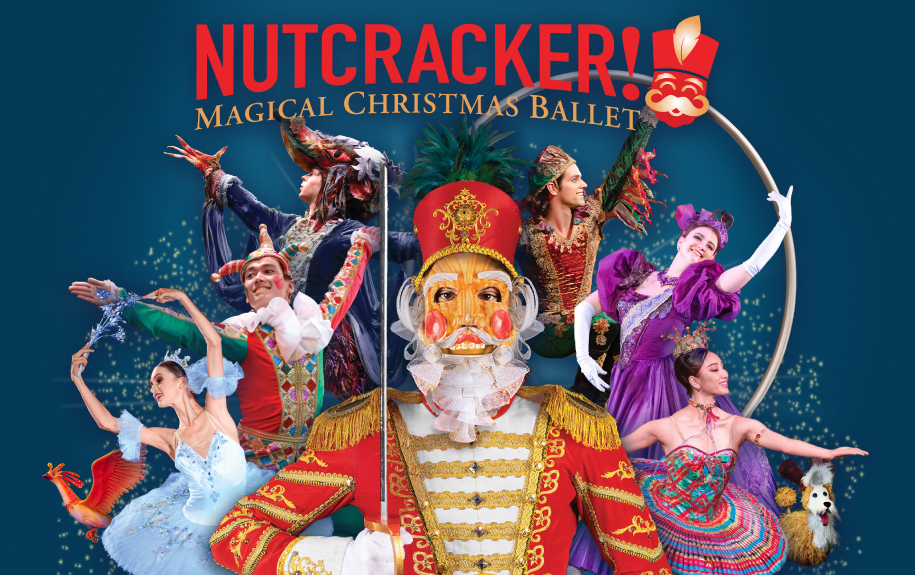
NUTCRACKER! MAGICAL CHRISTMAS BALLET
The largest Nutcracker production in North America will visit the West Herr Auditorium Theatre this December. Against the backdrop of Tchaikovsky’s score, this classic Christmas story of a girl’s Christmas toy coming to life is told with international dancers, acrobatics, puppetry, and more.
7 p.m.
West Herr Auditorium Theatre;
885 E Main St.; 222-5000; rbtl.org
DEC. 16
I WANT A HIPPOPOTAMUS FOR CHRISTMAS
Elmira’s Clemens Center presents I Want a Hippopotamus for Christmas this December. The musical centers on the anticipated birth of Ypsilanti Zoo’s first baby hippo. The zookeeper’s daughter, Lois Jean, is especially excited for the birth and for what it will mean for her family.
10 a.m. & 12:30 p.m.
Clemens Center; 207 Clemens
Center Pkwy, Elmira; (607) 734-8191; clemenscenter.org
DEC. 19–20
WINTERFEST AT EASTMAN COMMUNITY SCHOOL
Each year the Eastman Community Music School showcases the talent of its students during a celebration of the winter season. An extravaganza of performances in venues across the Eastman School of Music campus, Winterfest features ensembles and students ranging in age from elementary school to adults. Please check the website for the full line-up of performances and locations.
Eastman Community School, various venues, esm.rochester.edu/community/winterfest
DEC. 31
NOON YEAR’S EVE AT THE ZOO
For those who aren’t interested in staying up until midnight, the Seneca Park Zoo will have a countdown to the New Year at noon on the last day of the year. There will be two ball drop locations at the zoo. Visitors can walk the grounds and visit the resident animals while celebrating the holiday.
12 p.m.
Seneca Park Zoo; 2222 St. Paul St.;
336-7200; senecaparkzoo.org
Have an event of your own to publicize? You can add it to our online calendar at 585kids.com. You may also email details to cg****@****ag.com.
This article originally appeared in the Fall 2026 issue of (585) Kids.
Indigenous Peoples’ Day is October 12, Native American Heritage Month is November, Thanksgiving is November 26, and Winter Solstice is December 21! Celebrate, read, and learn about these holidays and the culture of those who first lived on American soil.
PICTURE BOOKS
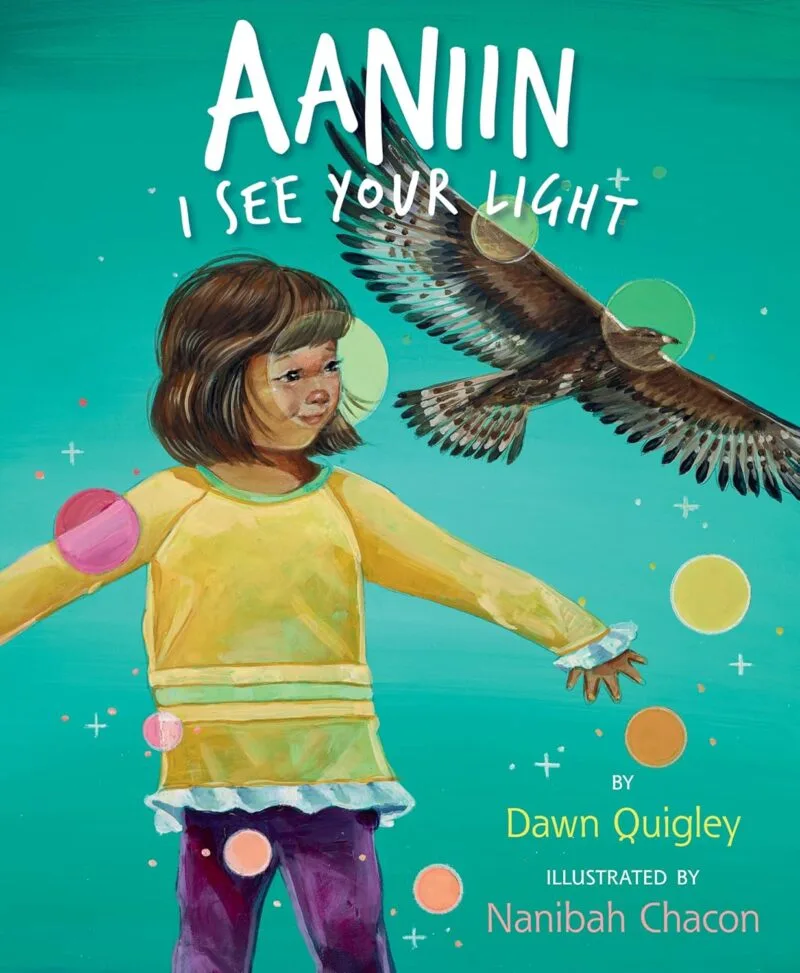
By Dawn Quigley & Nanibah Chacon
Heartdrum, 2026, hardcover, $19.99
Aaniin (ah-NEEN) is an Ojibwe greeting for hello and can translate to “I see your light.” This book shows each child that they all have inner goodness and light.
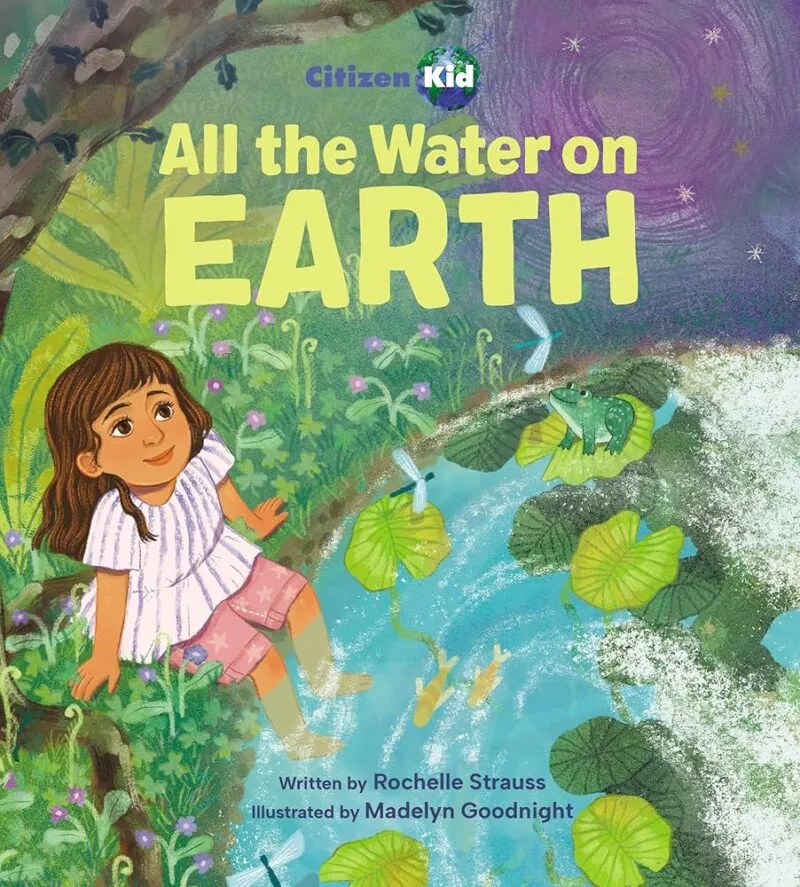
By Rochelle Strauss & Madelyn Goodnight
Kids Can Press, 2026, hardcover, $21.99
The author asks readers to observe the water all around them. Then she explains that it is all the water our planet will ever have, so we must be good stewards of the Earth and protect it.

By Andrea M. Page & Alfreda Beartrack Algeo
Charlesbridge, 2026, hardcover, $17.99
A Lakota boy’s uncle puts him in charge of the winter count while his parents are away, which is an important cultural tradition he can share with his parents when they return.
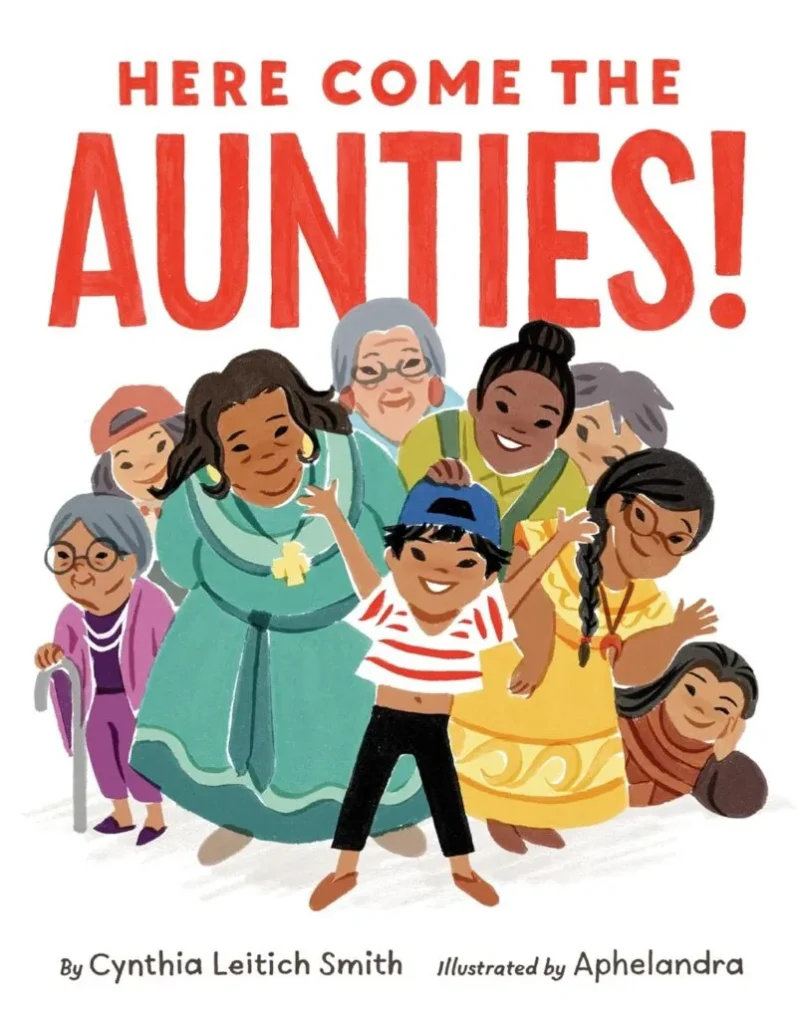
By Cynthia Leitich Smith & Aphelandra
Heartdrum, 2026, hardcover, $19.99
The aunties are friends, neighbors, helpers, and more! Most importantly, they are the women who keep the community running and step in during times of need for all their children.
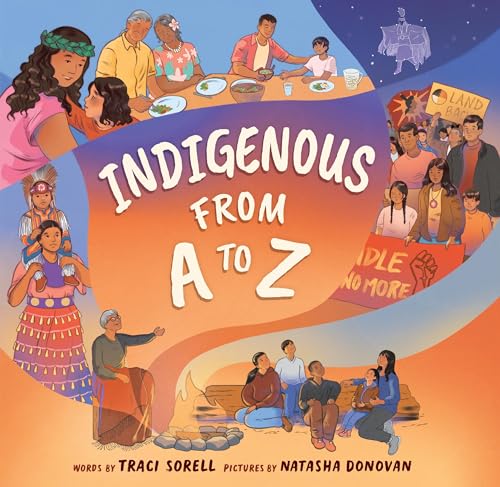
By Traci Sorell & Natasha Donovan
Workman Kids, 2026, hardcover, $19.99
Letter by letter, Native peoples’ history, present and future, are explored and shared. This book is an alphabet book, a nonfiction book, and a book of cultural pride.
CHAPTER BOOK
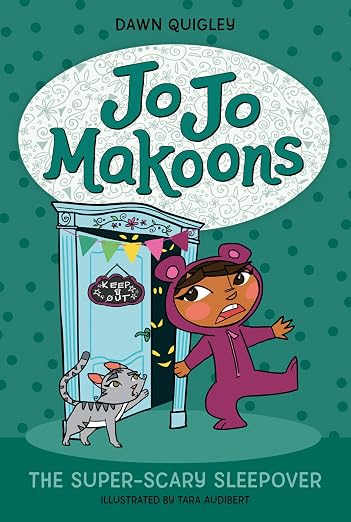
Jo Jo Makoons: The Super-Scary Sleepover
By Dawn Quigley & Tara Audibert
Heartdrum, 2025, paperback, $6.99
First grader Jo Jo is sure she can handle her first sleepover. How scary can it be? Find out in this fifth book of the award-winning series.
MIDDLE GRADE
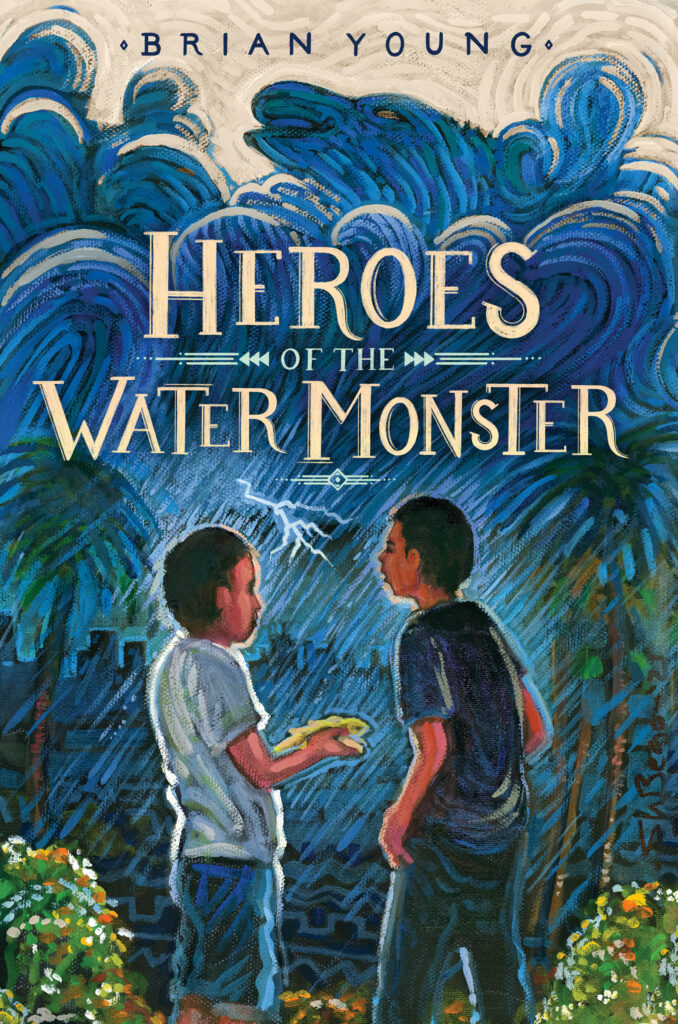
By Brian Lee Young
Heartdrum, 2024, paperback, $9.99
Edward’s soon-to-be step-brother Nathan prepares him to be the next guardian of Dew, a water monster. Together they must save the Fourth World from the coming Enemy.
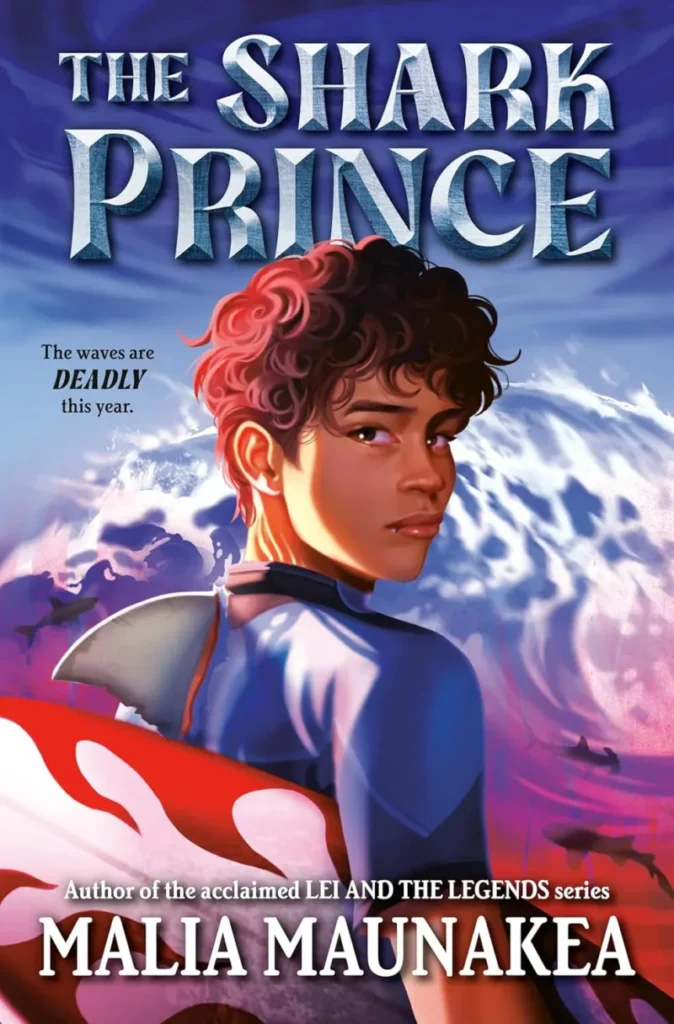
By Malia Maunakea
Penquin Workshop, 2026, paperback, $9.99
Nohea is determined to win a surfing competition before his bloodthirsty half-human, half-shark heritage forces him to abandon his family.
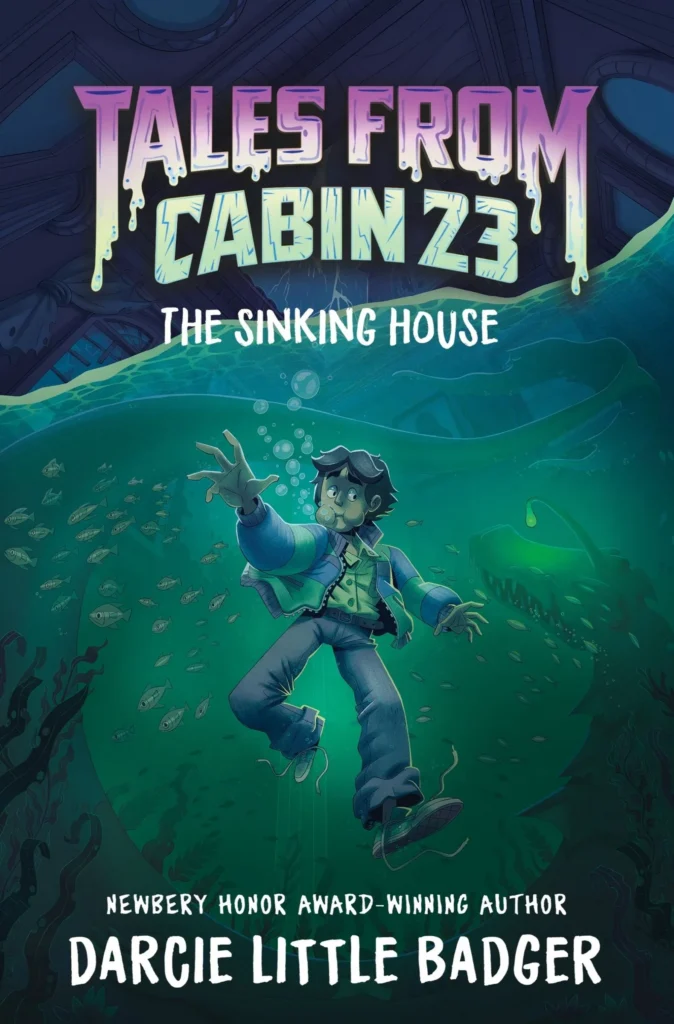
Tales From Cabin 23: The Sinking House
By Darcie Little Badger
Clarion, 2026, hardcover, $15.99
This fourth book in the spooky Cabin 23 series is a tale based on Lipan Apache Folklore about three kids trapped in a sinking house. Will they all get out alive?
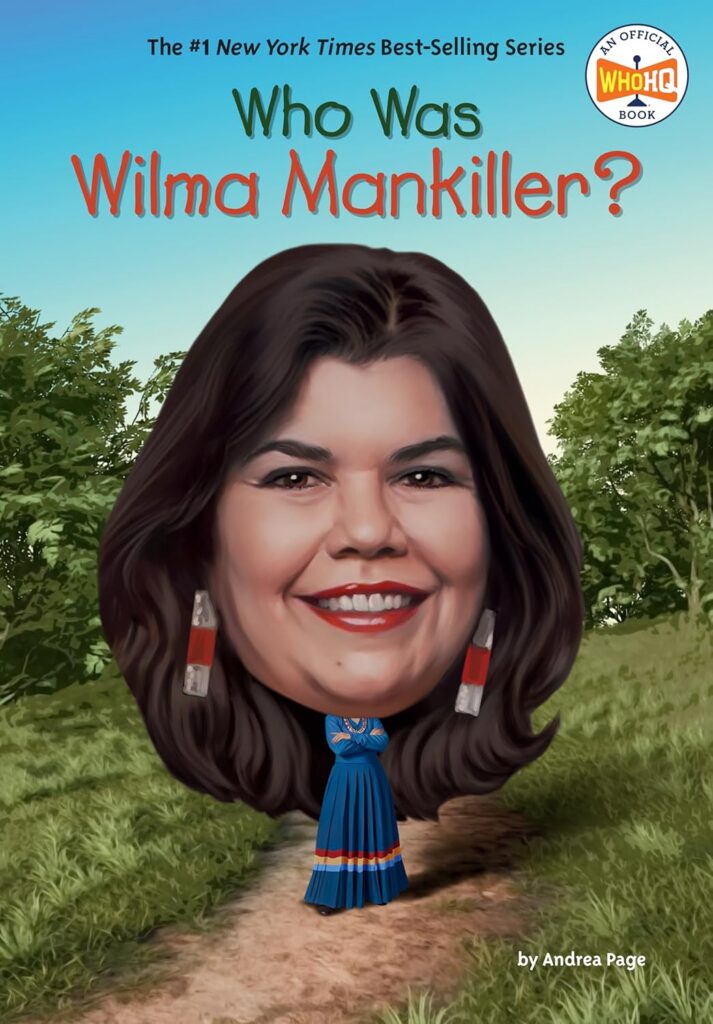
By Andrea M. Page & Stephen Marchesi
Penguin Workshop, 2025, paperback, $6.99
Learn about a political activist and the first woman principal chief of the Cherokee Nation in this volume of the Who HQ series.
YOUNG ADULT

By Kauakanilehua Mahoe Adams
Heartdrum, 2026, hardcover, $19.99
When Aouli meets a new guy from her Hawaiian hometown, she breaks her father’s rules to fly free, despite the consequences at home.
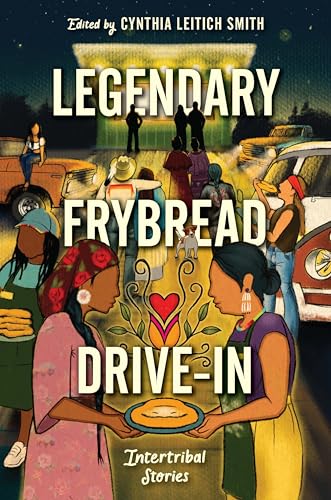
Edited by Cynthia Leitich Smith
Heartdrum, 2026, hardcover, $19.99
Seventeen Indigenous authors contribute a story to this collection, where they tie together via the café that offers each person what they need.

By Byron Graves
Heartdrum, 2026, hardcover, $19.99
When his mom is arrested, Bryce seeks out his grandmother, best friend, childhood crush, and skateboard to help cope with loss and abandonment.

By Manuia Heinrich
Simon & Schuster, 2026, hardcover, $21.99
For better or worse, Moe can hear the sea’s thoughts that seem to predict the future. When her brother is accused of murder, Moe turns to the water—and a frenemy—to help clear his name and solve an island mystery.
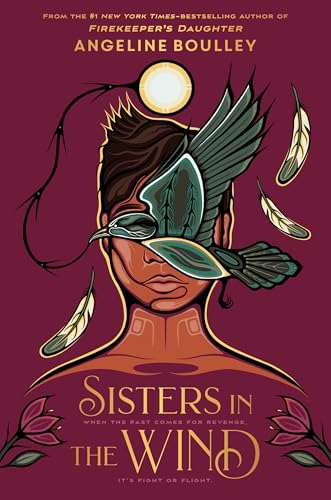
By Angeline Boulley
Henry Holt, 2025, hardcover, $19.99
Lucy’s five years in the foster system have left her with a scarred—and dangerous—past she’s trying to leave behind. Then a couple tells her they know her family, she must decide who to trust.
This article originally appeared in the Fall 2026 issue of (585) Kids.
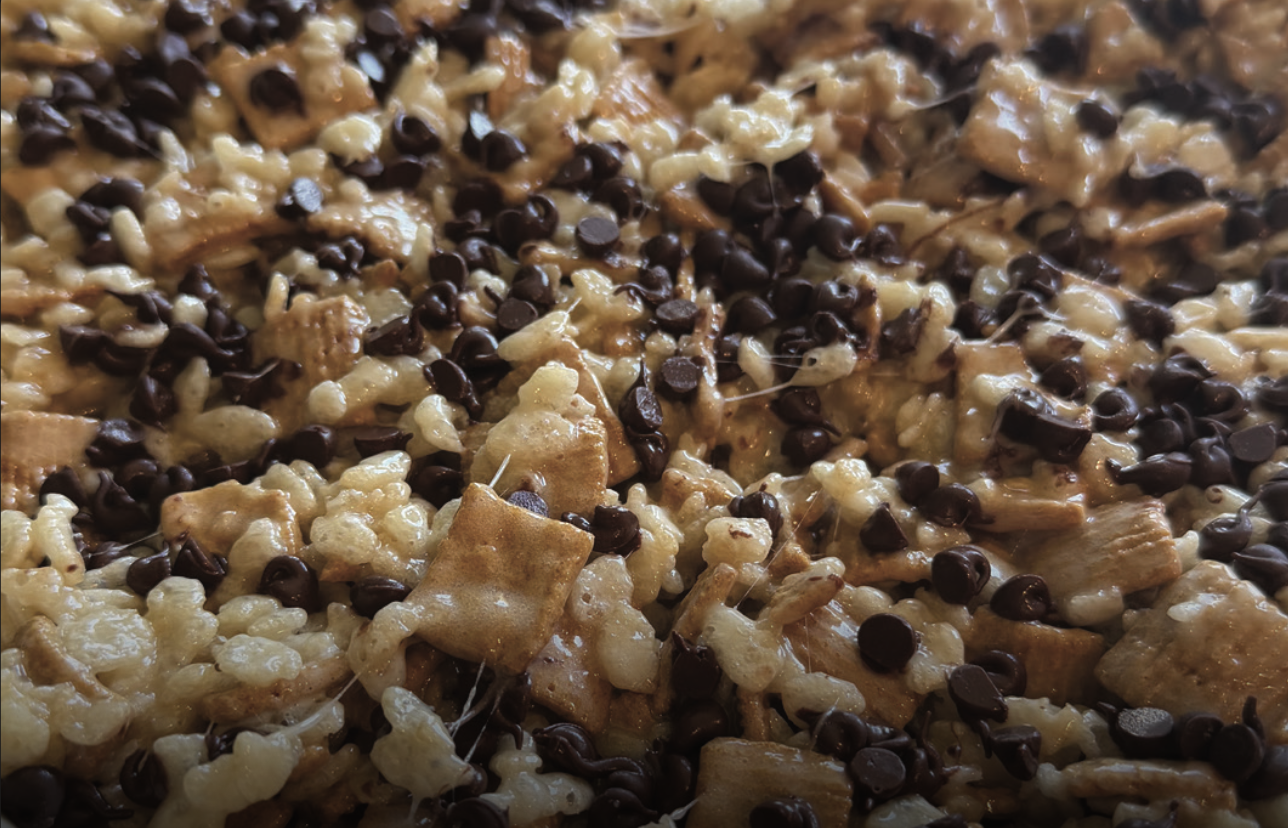
As summer comes to an end and the chilly nights of autumn appear, an outdoor fire is a perfect end to the day. In my opinion, nothing pairs better with a fire than s’mores. This sweet dessert is not just for summer but is often forgotten in the other seasons. The classic fireside treat is typically made with graham crackers, chocolate squares, and a toasted marshmallow. For a fun twist try substituting the ingredients and making a “mix and match” board or platter for your family and friends. Perhaps try a peanut butter cup instead of the usual chocolate square, or a toasted marshmallow between two chocolate covered pretzels.
Base
-Graham crackers
-Pizzelles
-Girl scout cookies
-Chocolate chip cookies
-Ritz crackers
Chocolate/filling
-Peanut butter cups
-White chocolate
-Rolos
-Slices strawberries
If you don’t have the ability to make fire —you can always make S’mores Rice Krispies Treats instead!
S’mores Rice Krispies Treats
INGREDIENTS
4 tablespoons butter
1 bag marshmallows, 10oz
4 cups rice cereal
2 cups golden grahams cereal
1/2 cup mini chocolate chips
DIRECTIONS
1. Grease a 9x13 pan
2. Melt butter in a saucepan over low heat, add marshmallows, and stir until melted.
3. Stir in cereal and mix until coated. Spread into pan and press down. Sprinkle chocolate chips over top.
4. Cut into squares and enjoy!
This article originally appeared in the Fall 2026 issue of (585) Kids.

Is your child having one of those days or moments? A calming box may be just what your child needs for a quick and accessible reset.
A calming box is simply that, a way to bring calm back to a child when feelings get huge. A big loud tantrum, or an anxious feeling that slowly takes over makes logical reasoning often impossible. Let’s look at how to create, introduce, and make a go-to box your child can use to help regulate themselves to a more peaceful place.
When children are in the middle of something much bigger than their rational self can handle, it can be overwhelming to even know where to start. Their brain needs a reset and something external may be just the key.
As a teacher of many years, I know that calming centers or boxes can be very useful when managed. Building a box that fits each individual child is very important, but introducing the resource in a beneficial way is even more important. We will look at both in this article.
LET’S CREATE THE CALMING BOX.
First find a container that your child finds inviting. It can be any container, but I’d keep it manageable. It should be small enough to be toted but large enough to keep several items in it.
Look to include items that speak to all different senses.
VISUALS TO SLOW IT ALL DOWN
• Liquid motion bubblers: Watching drops slide down is naturally hypnotic.
• Calm-down jars: Observing a plastic bottle filled with water, glycerin, and glitter that settles slowly when shaken is calming.
• Pictures of people that they love: A small photo or album can be just what is needed.
TOUCH AND TEXTURE
• Play-dough or putty: Squeezing and pulling dough releases physical stress.
• Pop-it toys help because of repetitive touch.
• Smooth “worry” stones or different textured fabrics: Rubbing or simply playing can be helpful.
SOOTHING SOUNDS
• Noise-canceling headphones: These are perfect to muffle a loud room.
• A small music box: The predictable sound of both the winding and music is incredibly comforting.
• Rainsticks: Listening to the beads fall while turning the stick keeps two senses engaged
BREATHING
• An expandable breathing ball: A sphere that expands and contracts can visually guide mindful breathing.
• Pinwheels: Blowing on a pinwheel forces a child to take long, deep exhales
• Mantra papers: Little slips of sayings, lines from favorite books, or even simple pictures that remind little ones of a word to say while breathing slowly can help reset.
These are just a few items to get you started, but, of course, the things must be beneficial to your child’s reset. If the child doesn’t “like” an item or if the item has worn out its welcome— switch it out. The calming box isn’t meant to be static. It should be consistent in its purpose but also inviting to your child by changing items if they no longer help with the reset.
Remember that calming boxes are not “time out” boxes or a punishment meant to banish a dysregulated child. They are meant to help strengthen a child’s own sense of power in bringing back a sense of calm to their moment. It should be a resource that can be proactively sought out in a positive way before feelings take over.
Take advantage of a moment when your child is feeling ready to learn about the box. Have an age appropriate conversation with your child to let them know that you want to help them manage those times when they are having difficulties. Creating the box together when they are already calm can make a world of difference. Invite your child to decorate the box and even find a special place to keep it. Explain and model how to use each item. Revisit the box from time to time and reflect on how it’s going. Is the box helping? Keep the positive reinforcement going when the box has been effective and take time to really celebrate the successes.
Creating and using a calming box can be a powerful resource for both you and your child in promoting emotional well-being. You are helping to give the ultimate gift, the power to find calm in a sometimes loud world.
This article originally appeared in the Fall 2026 issue of (585) Kids.


Have you ever stopped to think about how the human body is an amazing machine? It can grow, feel, think, heal, move, hear, adapt, see … need I go on? Now a new exhibit at the Rochester Museum & Science Center (RMSC) will have you in awe of your body’s power—and its potential for more! Super Human: Power of Technology opens at RMSC on Friday, October 2, and museum staff can’t wait for visitors to check it out.
“A few years ago, we ran a survey asking people about the types of topics they would like to see from traveling exhibits at the RMSC,” says Calvin Uzelmeier, vice president of programs and exhibits at RMSC. “Near the top of the results were the human body, human medicine, and medical technologies.”
RMSC began searching for something special that would fulfill those interests. When they learned about Super Human, they were excited to book them for Rochester families. Another bonus? It was developed by Sci Tech, the same Australian science center that created RMSC’s popular Astronaut exhibit from the past year!
According to the website about the Super Human experience, it “explores how technological advancements and medical breakthroughs have revolutionized the way we live, opening new possibilities and making the world a more inclusive place. A world where people can see, hear, and communicate more easily—where we can use technology to increase the potential of the human body.” Many of us already use some of these tools, like glasses, hearing aids, and communication apps.
“One of the things I love about the exhibition is how the experiences are built to encourage people to do things together and have conversations about what they are experiencing,” says Uzelmeier, who adds that having fun, learning, and socializing are at the heart of what an RMSC experience should be.
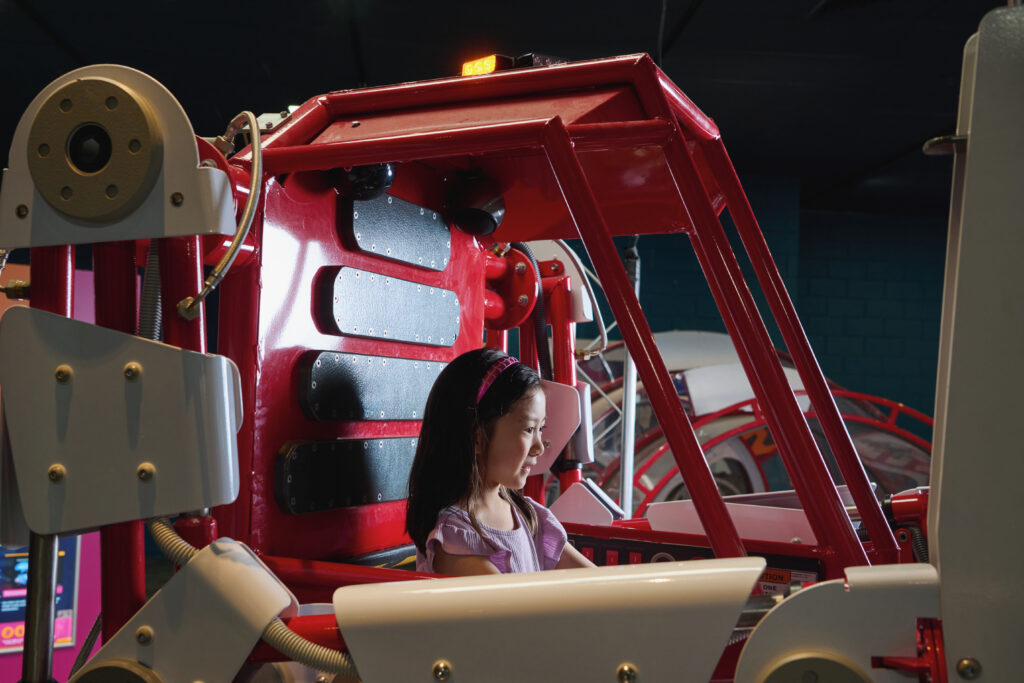
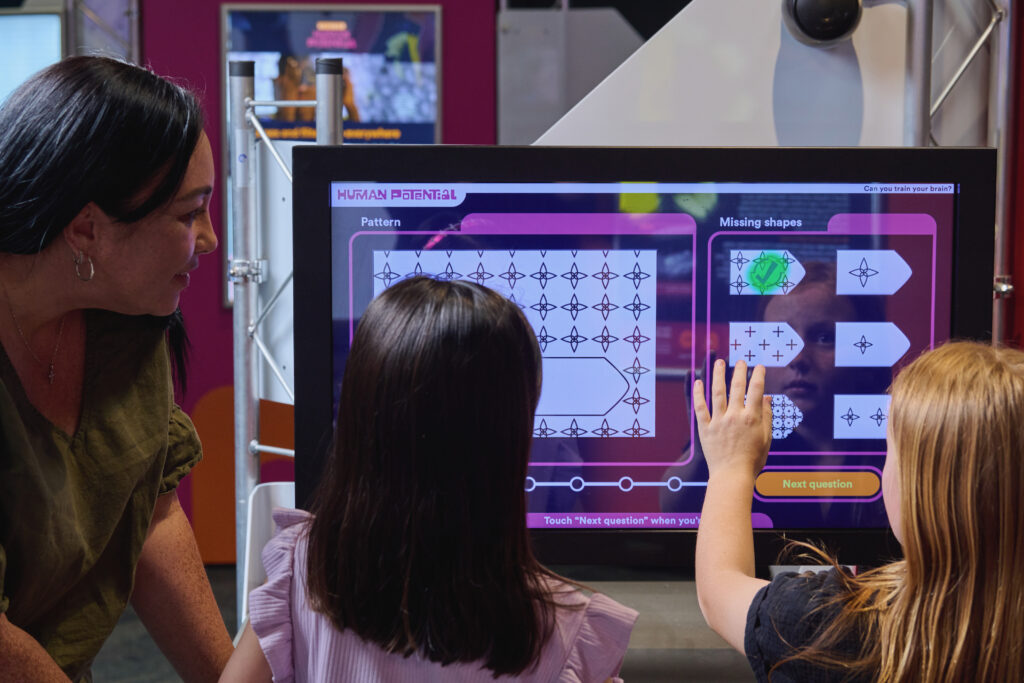
The activities are targeted to ages 5 to 12 and their families, but anyone interested should check it out. For example, visitors can:
• Race against a simulated Paralympian with prosthetic limbs.
• Pilot a virtual jet pack and land it before running out of fuel.
• Sit inside a giant exoskeleton and practice lifting heavy loads.
• Try to move a ball using mind control.
• See in the dark with night-vision goggles.
• Control a robotic arm through their own gestures.
• Use voice commands to activate appliances.
• Test their aerodynamics in a wind tunnel.
Plus so much more! With twenty-three different displays to engage with, there is something fun for everyone.
Another thing this exhibit makes clear is that scientists and inventors take a lot of their ideas from nature. They ask, “How do nocturnal animals see in the dark, and how can I apply that to human eyes?” Or “How do birds fly, and how can I mimic their wings for humans?” Then they experiment with science and tech ideas that might work.
While all these gadgets are really cool, there is another side to human enhancements: ethics. Ethics are our standards for what is right and wrong. Just because humans can do or create something, does it mean we should?
The exhibit will challenge guests with ethical questions like, “Should gene editing be used to enhance human abilities?” Families and friends can discuss their answers, looking at the pros and cons of ever-advancing technology. When you focus on those tools that assist people with a physical or sensory impairment, it’s hard to argue against it.
“I hope visitors come away with a greater appreciation for the medical marvels that have revolutionized the way we live, and recognize the potential in themselves to discover the next great advancement,” says Uzelmeier.
Speaking of medical marvels, it is worth noting that the top two employers in the Rochester area are related to medicine. Anyone getting their annual check-up probably visits an office that is part of the University of Rochester Medical Center or Rochester Regional Health. Both are staples in our medical community, employing around 50,000 practitioners plus educators and researchers. Being around all those buildings and personnel can lead to inspiration for kids, teens, and young adults to seek medical careers. If Super Human helps get youth and their caregivers excited about science, technology, engineering, and math (STEM), that can help a whole lot of people and communities in the near future.
“Projections indicate employment in healthcare jobs in the US are going to grow much faster than the average for all other occupations over the next decade, and a reliance on technological advancements in healthcare must meet population needs,” says Uzelmeier. “We need to encourage both the current and next generation of emerging professionals to pursue careers in the fields of healthcare.”
“Everything from bionic arms to jet packs to cochlear implants were created by someone who was once a kid wondering, “Can I do that?’” he says. “I hope everyone comes away from Super Human realizing they are a super human, capable of any of those things, and more.”
This article originally appeared in the Fall 2026 issue of (585) Kids.
SPONSORED
Q: Why do zebras have stripes?
A: Because they don’t want to be spotted!
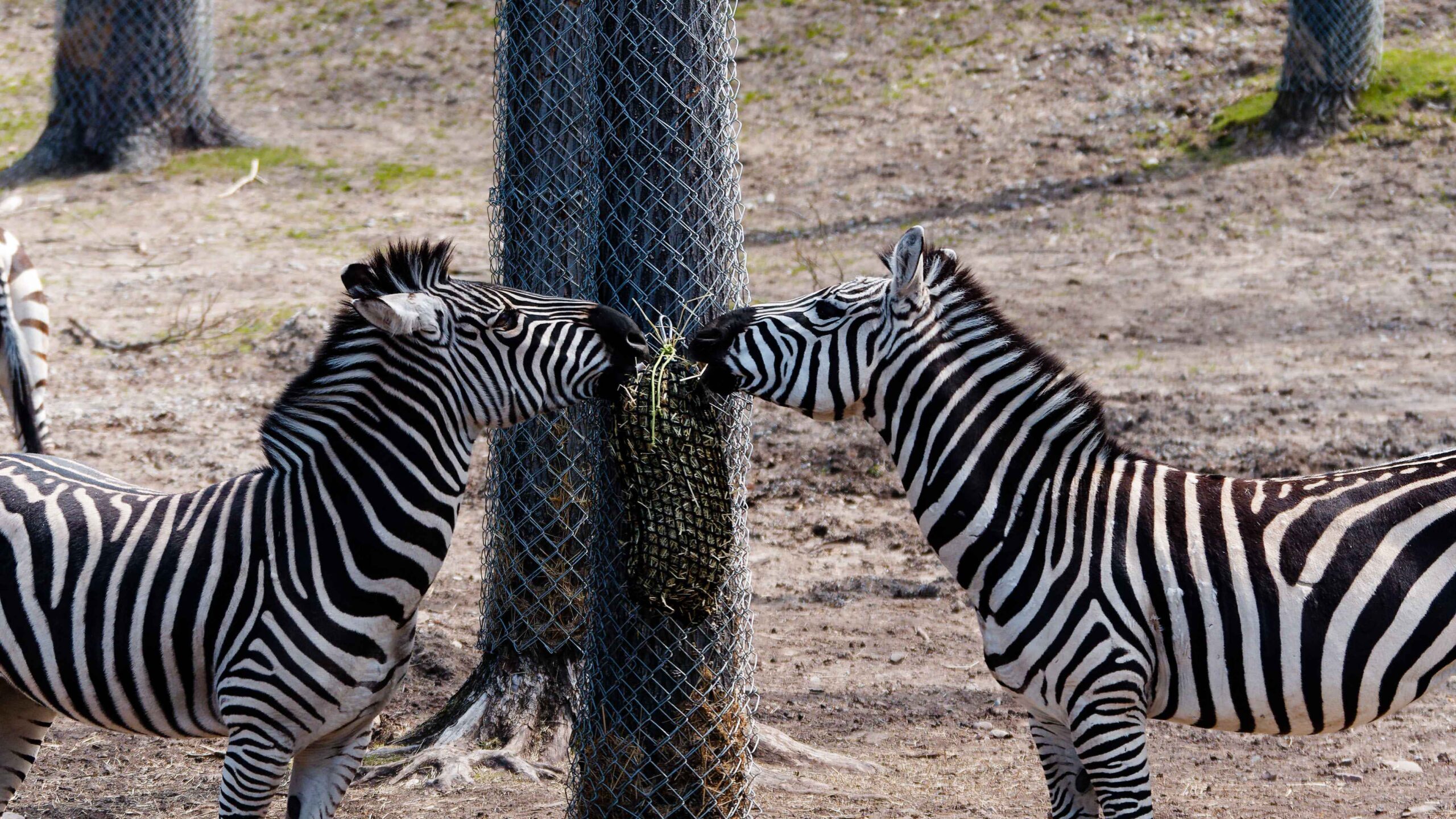
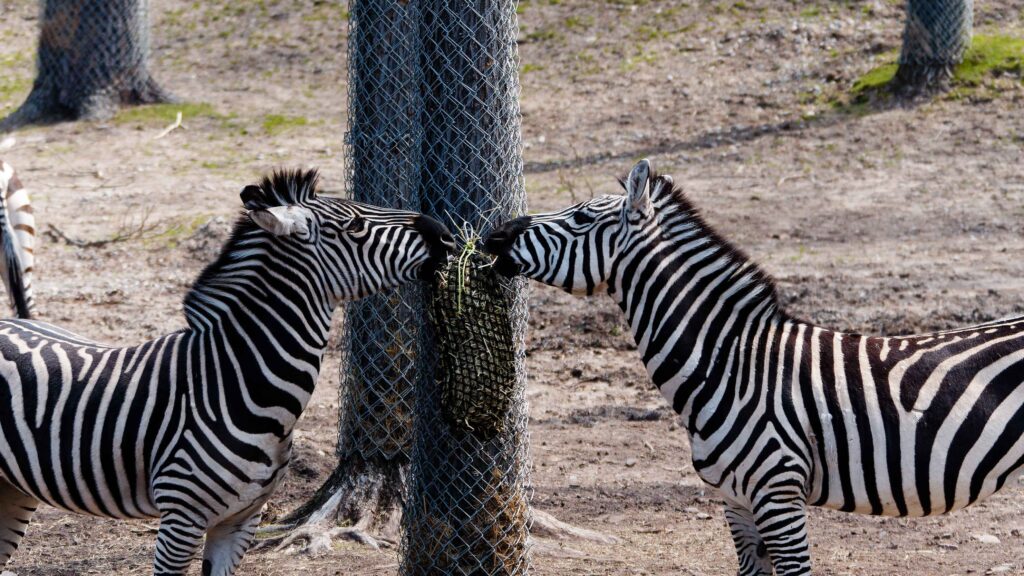
Joking aside, a zebra’s stripes really do keep them from becoming easy prey in their natural rage! When the herd stands together, their patterns blend into each other, making it difficult for predators to single out an animal. And when a herd, or “dazzle,” of zebra can number around one thousand animals, that is a lot of stripes!
While they don’t need to worry about being stalked by lions at the zoo, zebras sure do look cool in their black and white coats. Morgan Saidian, zoologist at the Seneca Park Zoo certainly thinks so. “Technically, zebras are black with white stripes. Each one’s stripe pattern is unique.” Just like a human fingerprint!
Want to see these fancy stripes for yourself? Visit the Zoo’s three plains zebras, Lydia, Liberty, and Dottie!
“To tell the zebras apart, Liberty has a brown nose. Lydia has a black nose, and her stripes go all the way down to her hooves. Dottie also has a black nose, but she does not have stripes on her lower legs near her hooves,” says Saidian.
Dottie is the “baby” of the bunch at nine-years-old. Liberty is ten, and Lydia is the oldest at thirteen. In nature, zebras can live to be twenty-five years old, but in zoos they can reach age forty. All three girls came to the zoo in the fall of 2018, when the Animals of the Savanna exhibit opened. That was also when the Masai giraffes moved into the zoo, sharing their yard with the zebras.
“During the day, our zebras and giraffes live together very well and respect each other’s space,” says Saidian. “Occasionally, we do see some cute moments. At night, our security cameras have gotten footage of all the giraffes and zebras laying down together in the indoor yard.”
This behavior reflects how the two species interact in the African savanna, where they often graze together. The giraffes towering necks give them sightlines to incoming predators. Meanwhile, the zebra herd helps conceal the giraffes with their disorienting stripes.
Another plus to their symbiotic relationship? They aren’t competing for the same food! The giraffes munch leaves from the tree tops and zebras eat grasses and shrubs near the ground.
Speaking of food, the three girls share twenty-five pounds of hay each day. They also each get 1-2 pounds of “zebra grain,” which are pellets that contain vitamins and nutrients specifically for zebras.
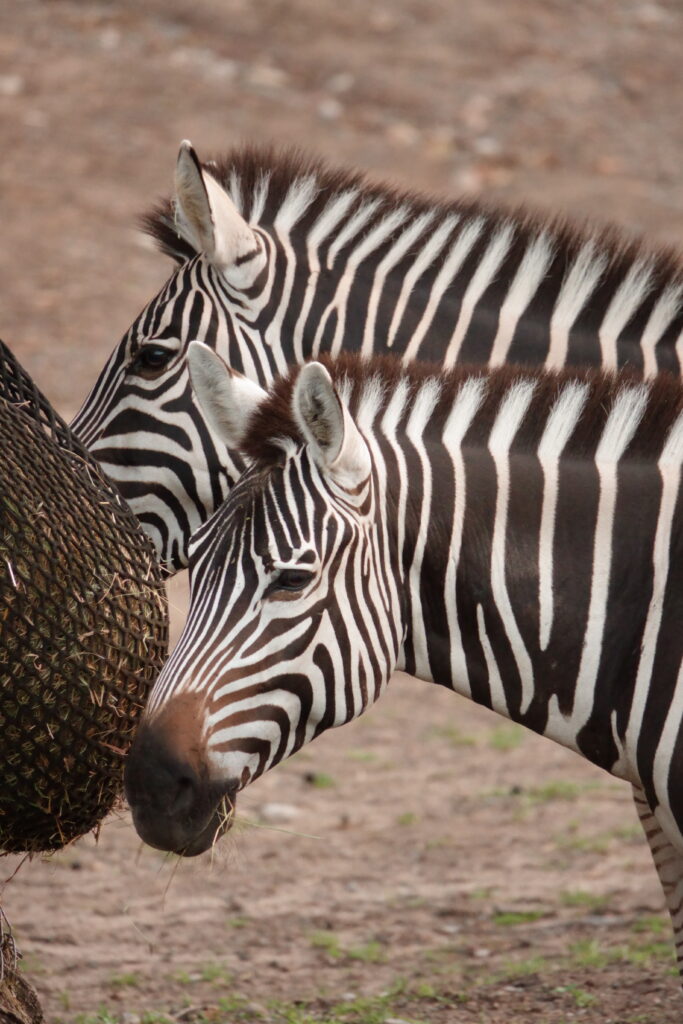
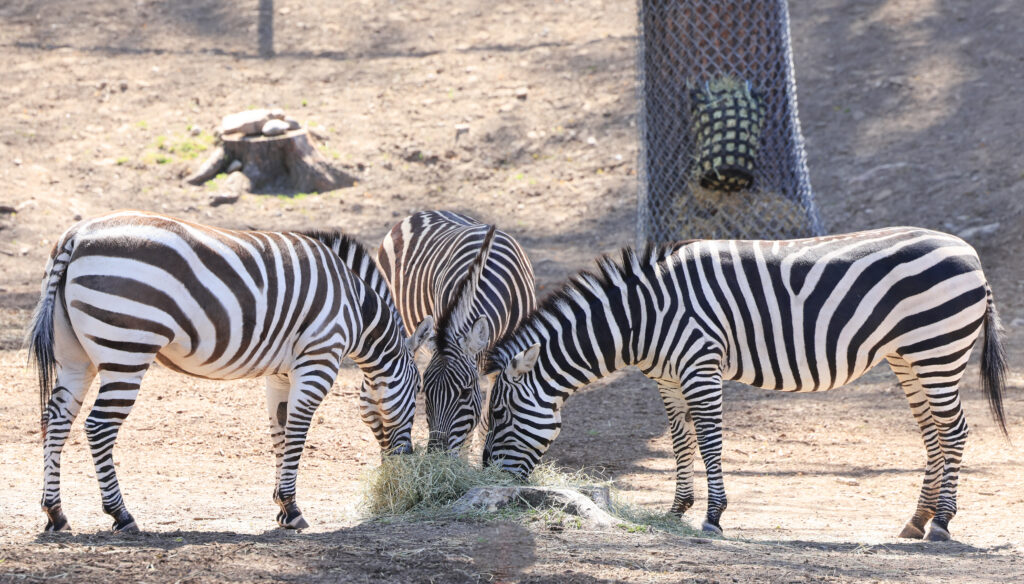
“Their favorite treats are carrot sticks. We use them when we train the zebras,” says Saidian. “For enrichment, they enjoy leaves of romaine lettuce.” Needless to say, these animals are happily vegetarian.
There are three species of zebra throughout Africa: Grevy’s zebra, which are endangered; Mountain zebra, which are vulnerable; and plains zebra, which are “near threatened.” Over the past thirty years, their numbers have continuously decreased. People hunt them for their furs, and many of their natural migration routes are blocked by fenced-in farms. Plus, Masai giraffes are endangered, and as we’ve seen, the two species rely on each other. Less of one type of animal can leave both species more vulnerable.
Fortunately, the zoo is committed to global conservation efforts. Buying a ticket or membership to the zoo and spending time learning about the wildlife all contribute to saving animals worldwide, including the zebras and their giraffe friends.
Besides, visiting the animals is fun! For example, once you identify Lydia, Liberty, and Dottie by their nose color and stripe patterns, you can watch them and learn about their individual personalities.
“Lydia is very patient with baby giraffes and helps us get them used to being around zebras,” says Saidian, sharing her own observations. “Dottie is curious about new things and always checks out new enrichment items. Liberty is very solid with her training. Once she learns something, she has got it down.”
All three of these girls are very smart and trained to be voluntary participants in their own health care. While zebras may look similar to horses and share a common ancestor, they are actually much more aggressive and can have dangerous kicks. This makes their training important. Zoo zebras know how to gently offer their front feet to the zoologist for hoof cleaning and trimming. They also allow the zoologist to give them injections if they need a vaccine.
“Currently, we are working on training them for voluntary blood draws,” says Saidian.
If you visit them this winter, they are probably staying warm in their indoor area. That said, they do get curious about the snow and will check it out, so make sure to give them a warm hello on your next visit!
This article originally appeared in the Fall 2026 issue of (585) Kids.
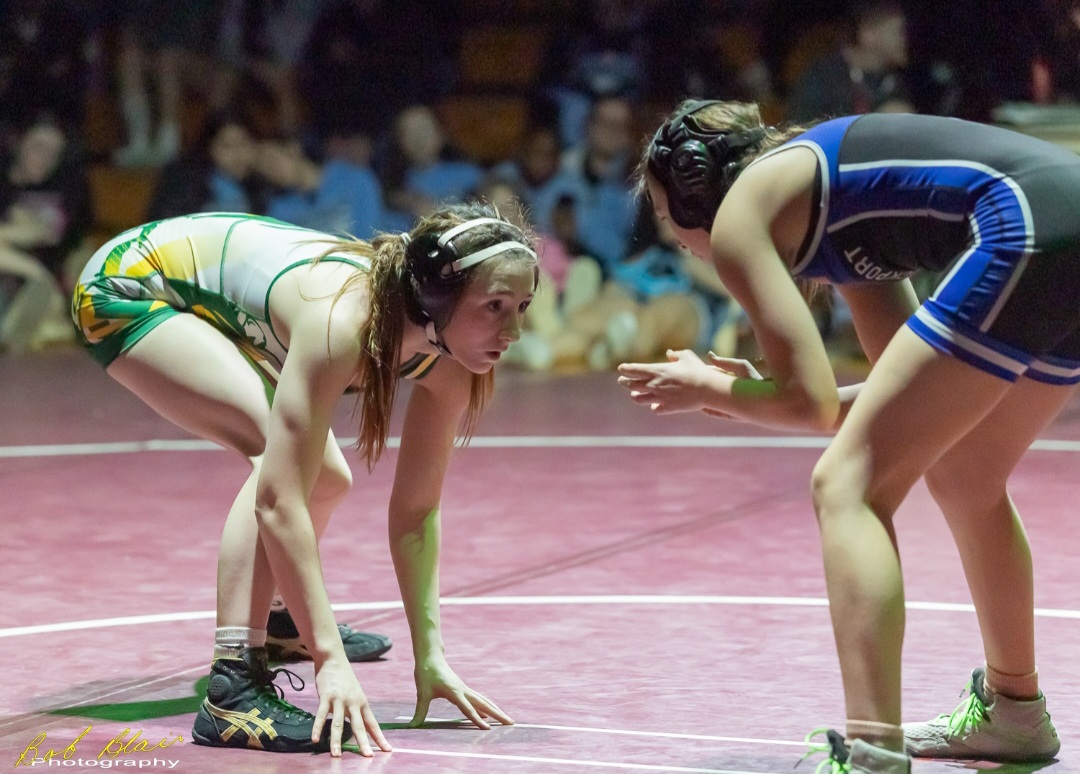
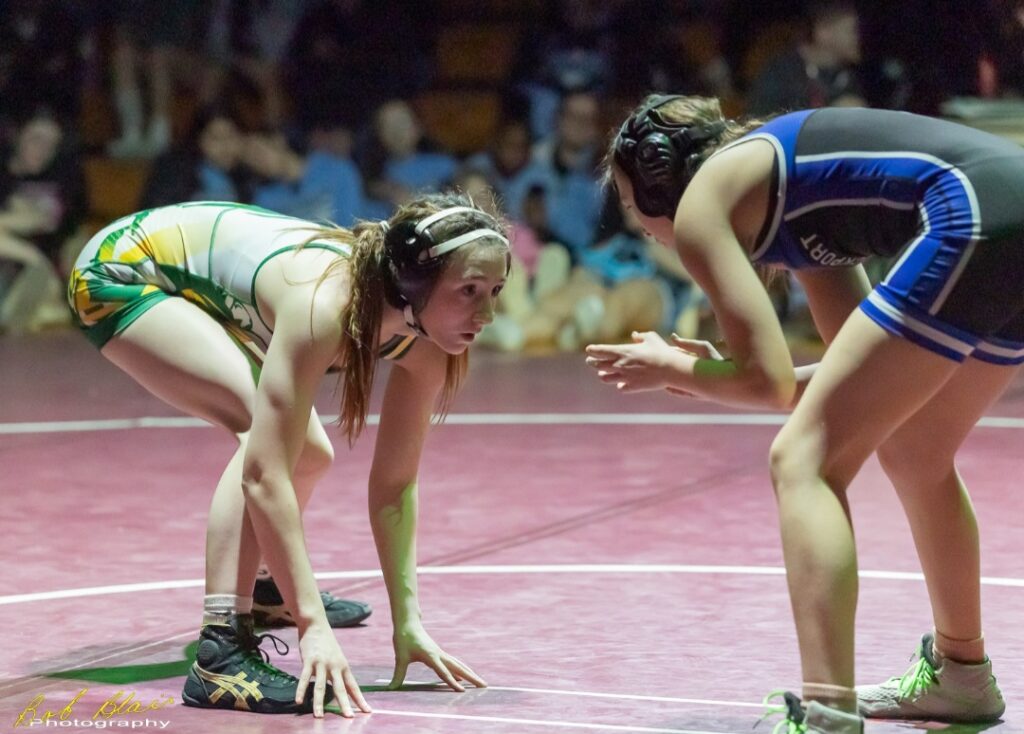
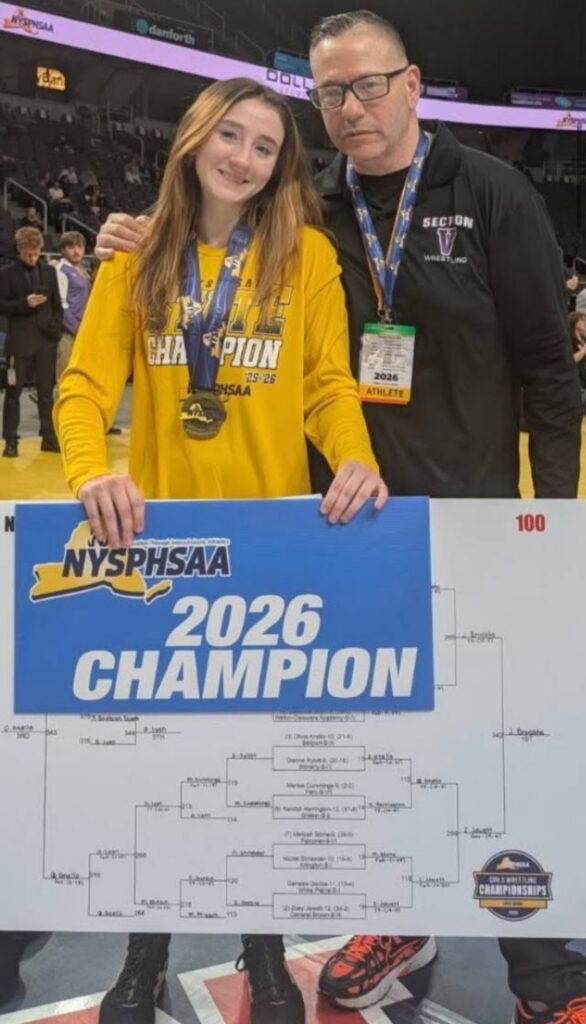
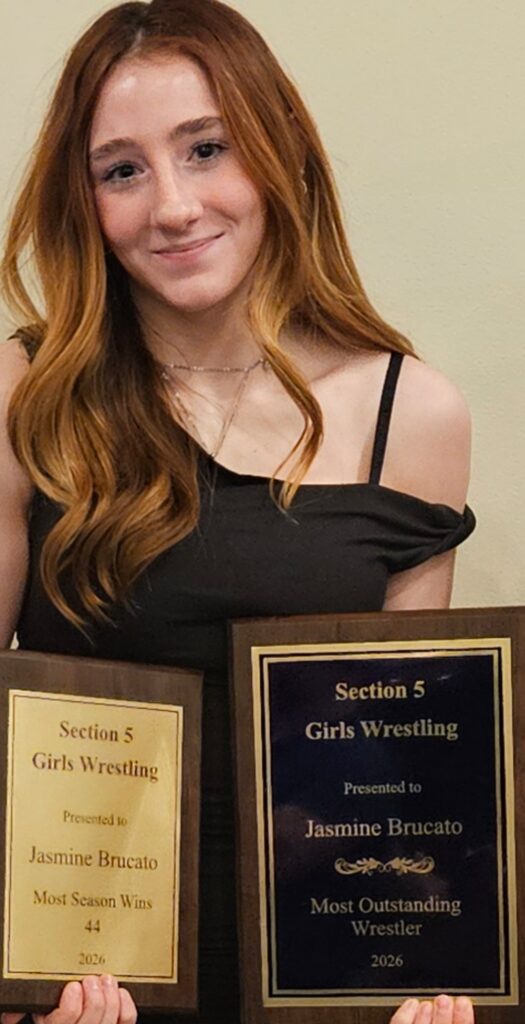
Audrey is searching for kids in the Rochester area who are doing big things. Today she interviews seventeen year old Jasmine Brucato who is a senior at Honeoye-Falls Lima High School and a wrestling champion, ranked ninth in the country by Sports Illustrated. She has one sister, two dogs, two cats, a horse and a chicken.
How did you get involved in wrestling?
My dad wrestled [as a finalist in the Olympic trials in 1992, a two-time Greco-Roman national champion] and I thought that was pretty cool. When I was eleven years old, I started going to the boys’ practice here in HFL. I was the only girl. I didn’t know if I was going to stick with it, but I just kept going back. And I guess I stuck with it.
How much time have you put into this over the years?
A lot. It’s been six years and I train almost every day, sometimes twice a day. Before nationals, it’s two to three times a day. I have to take a lot of time off school, almost weekly.
What are some of the big challenges you’ve faced?
Definitely that you have to just keep going. I’ve taken a couple hard losses, including a recent hip injury in Fargo, and I need to take time to regroup and realize that I still love the sport, and it’s not the end if I just lose a couple of matches.
What are some important tournaments or championships that you’ve done?
I recently went to the Fargo Nationals, one of the biggest tournaments in the country. I’ve been to the Super 32 Challenge, which is probably the hardest tournament in the United States. I went to World Team Trials, and I lost in the blood round. That was a hard loss for me. I’ve won USA Wrestling and I’m a seven-time age group state champion. I’m a NUWAY finalist, national champion and team champion. I’m a Journeyman Women’s World Classic champion.
What do you enjoy most about wrestling?
Definitely making and creating relationships with people because I’m a people person. I like to see how far I can push myself, just showing up on a bad day. Wrestling just makes me happy.
Who is your favorite wrestler?
What are your long term goals for the future?
I’m excited to look at colleges. For the longest time, I have wanted to win the Olympics. So I think that’s my big long-term goal. But a little closer goal is probably to be an NCAA champ.
Do you have other hobbies or interests?
I write, draw, paint and sing. I used to be pretty good at horseback riding. I also cook and bake. I kind of do a little bit of everything.
Is there anything else that you want readers to know?
Yes! I started a singlet business. Singlets are the uniforms we wear in wrestling. Girl’s singlets are different cuts than men’s and a lot of people don’t understand that. So we have designed our own special cut for women, and they’re triple stitched. I only wear my own singlets. We make custom individual singlets or full team gear.
Find Singlets by Jazzy on TikTok or Instagram at @singletsby_jazzy_.
This article originally appeared in the Fall 2026 issue of (585) Kids.
Audrey asks...

Many parents find themselves unprepared for the postpartum period. Those first few days and weeks can feel like being thrown into a pool before learning
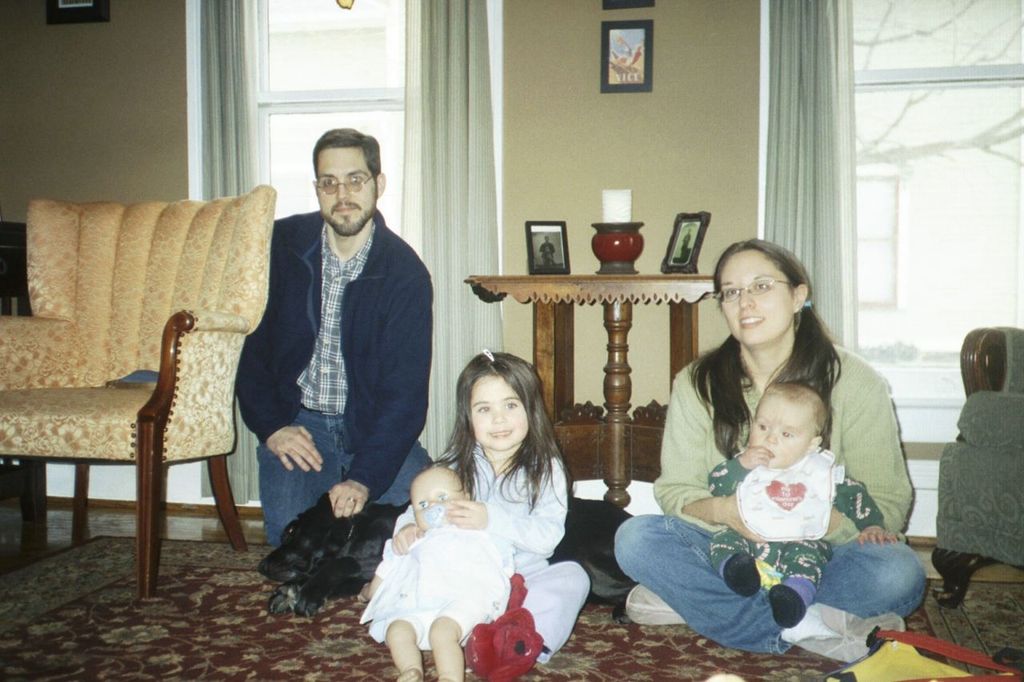
Every time little Carmen the Cover Model/Official Office Baby comes in, I will stop everything to hold her. Cuddling a baby in the middle of
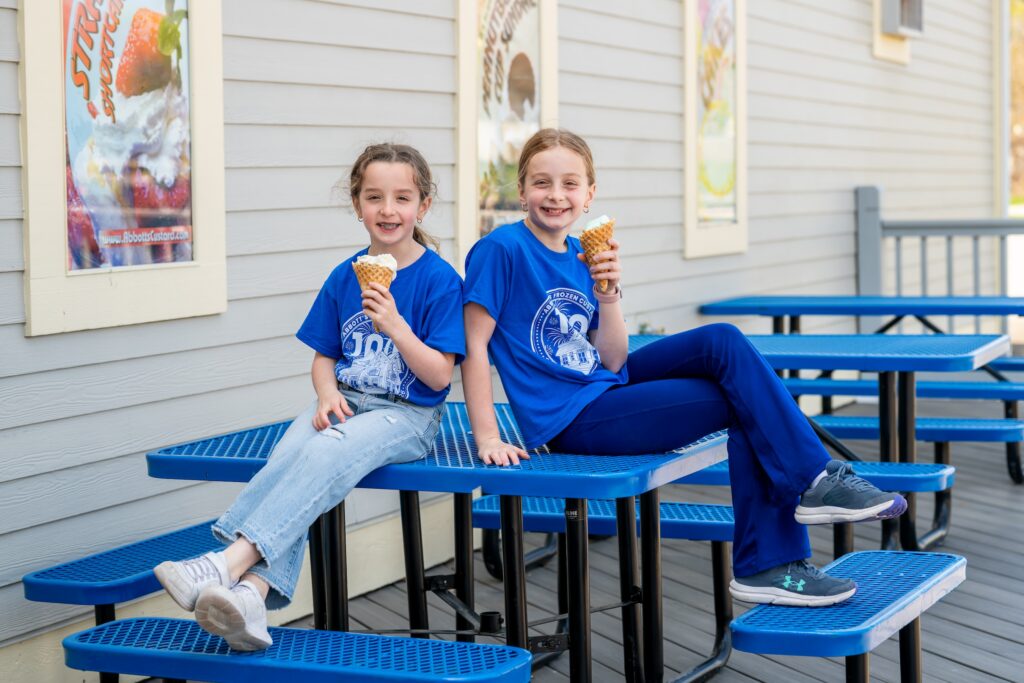
ABBOTT’S FROZEN CUSTARD CELEBRATES 100 YEARS One hundred years ago, Arthur Abbott opened the first Abbott’s Frozen Custard stand at the corner of Lake and
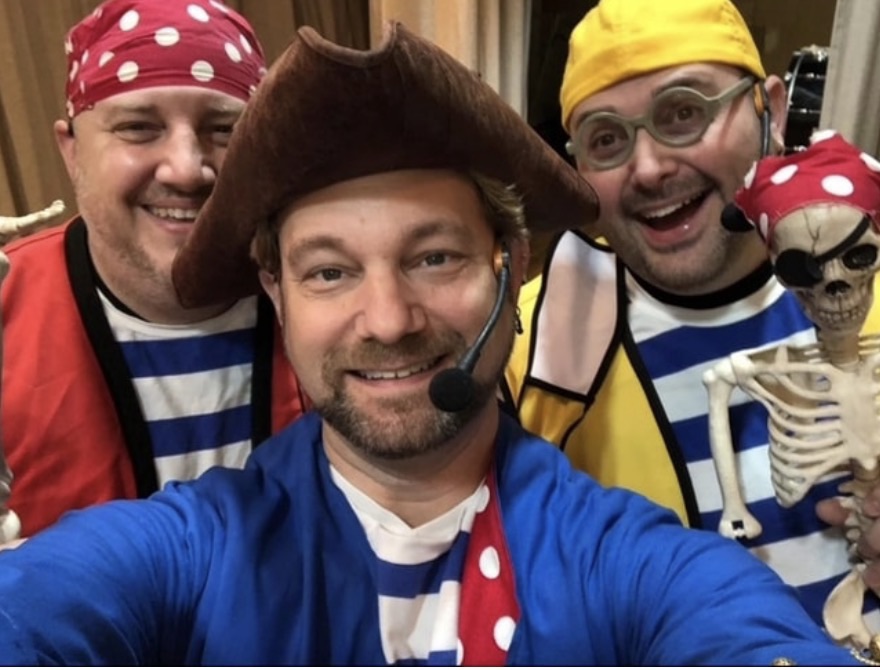
JULY 9–18 A YEAR WITH FROG AND TOAD This Tony-nominated musical follows Arnold Lobel’s classic characters, Frog and Toad, through four seasons of friendship. The

It’s the time of year for new routines or returning to old routines long forgotten in the lazy days of summer. This means packing lunches,

The start of the school year can bring kids new energy, excitement, experiences—and books! Teachers and librarians introduce fresh stories for all kinds of readers

New school year beginning? Playing on a different lacrosse team? Invited to a new friend’s house? While all of these are exciting, they can also

If someone mentions the RMSC Strasenburgh Planetarium, most people think about stars, planets, and space. The dome also serves as the perfect backdrop for laser
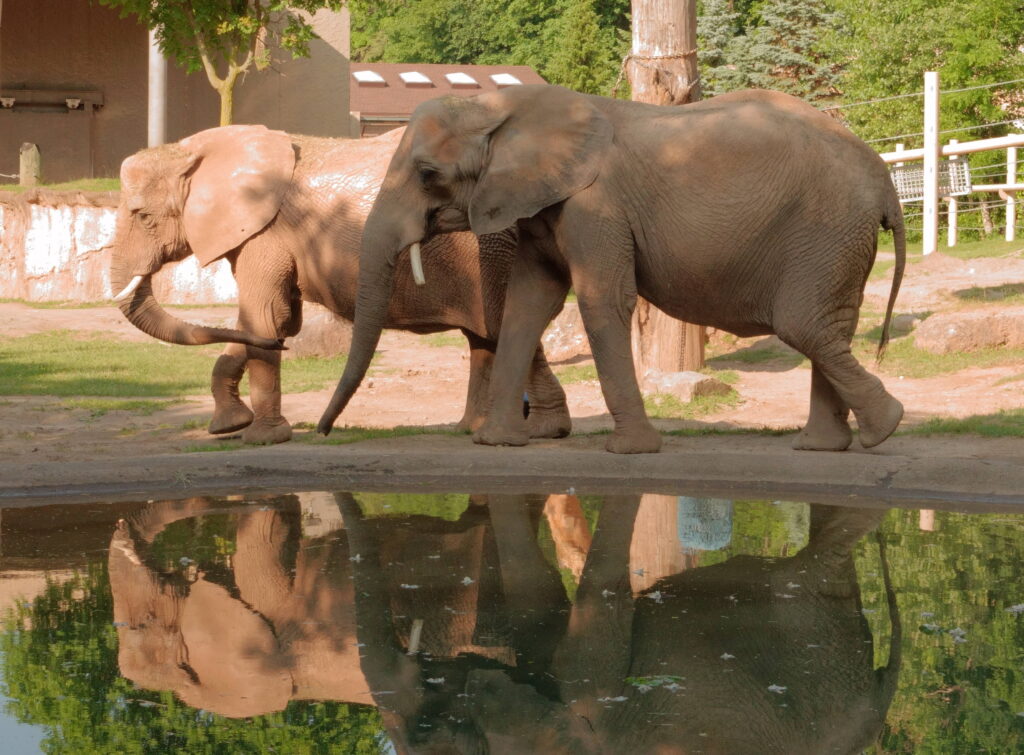
What has twelve legs, weighs more than twelve tons, and acts as an ambassador to an international foundation? Why the Seneca Park Zoo’s (SPZ) trio

Audrey is searching for kids in the Rochester area who are doing big things. Today she interviews twelve-year-old author Amirah Abdoch. She is a seventh