




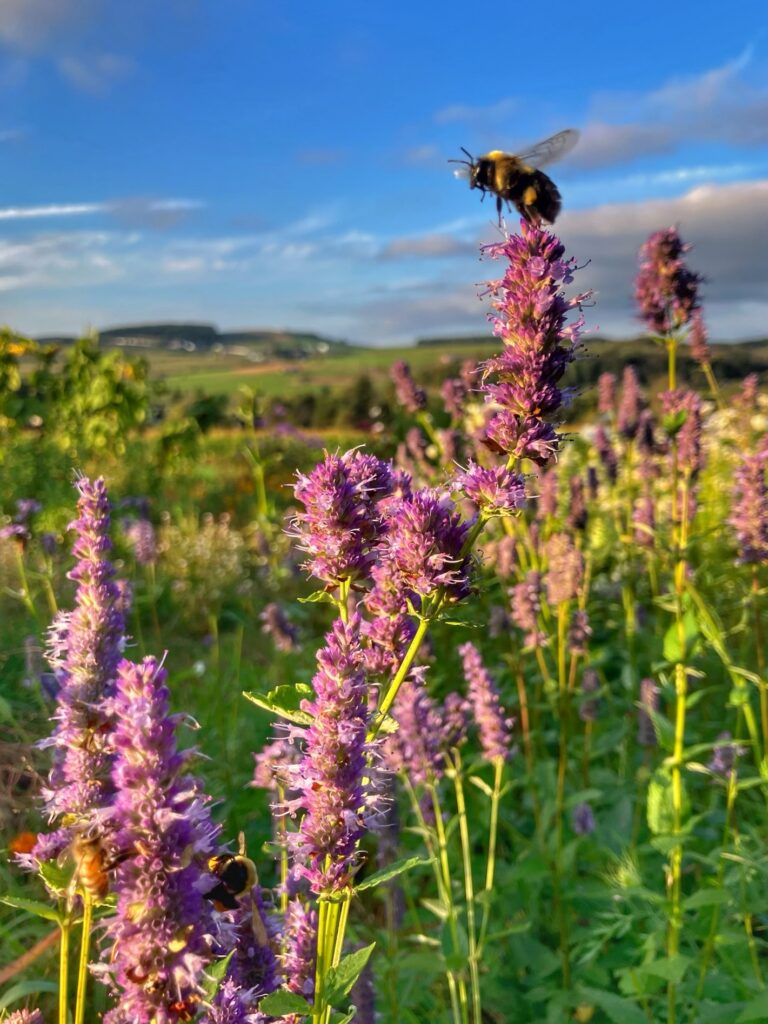
It’s gearing up to be another steamy summer day, and in temperatures more than seventy-eight degrees Fahrenheit, my ambitions far exceed my energy for gardening. I find my habits in the heat follow my feline friends’: languishing in the deep shade, lots of water, and most of my outdoor play at either end of a hot, sunny day.
But a gardener’s work is never done, even if the rising temperatures and humidity makes us feel that we are. I must admit, this article was hard for me to begin, even as my own idea. The topic seemed simple; beating the heat in the garden. But, as with most plant topics, how to beat the heat is subjective to what, and how, you are growing. My current dilemma? I’m embarking on a new type of garden, and all my habits need adjusting. I am morphing from a landscape maintenance gal that tended gardens heavily populated with perennials and woody plants to beginning a cut flower farm in a converted corner of a hayfield. The soil? Nothing like I’d ever worked in Niagara and Erie counties. If there were a market for shale with a side of clay mud masks, I’d be a millionaire. But this is home, and garden—I must!
When I say “corner of a hayfield” I’m not trying to be picturesque; we cut out the flattest edge of a field by a ditch (there’s no running water here) and the dirt road, turned it over with a plow, dumped several piles of finished barnyard compost on it, and began the long-term task of learning the land.
Fast forward five years to this growing season, and I have found myself two thousand plus seedlings deep into a budding a cut flower farm, while slowly adding perennials and woodies for structure. I was very hesitant to garden the way I had grown to love prior to living on the farm. Perennials and woody plants can be a costly investment, so rather than my usual spring nursery raids, I began starting all my garden plants from seed, and for most of the plants I chose heat-loving annuals. I never enjoy watching a plant struggle, but I knew this new garden would be a learning curve, so I endeavored not lose a ton of money in garden lessons learned. The few shrubs I have added have been bare root plants from the wonderful Bare Root Barn at Turnbull Nursery in North Collins, New York. This way, I could let the dormant shrubs slowly wake up and acclimate to their new home on the edges of my gardens.
Remember the bit about my garden being an old hayfield? That’s right, not a lick of shade in sight. And just after I had grown to love helping create beautiful shade gardens for my clients in the majestically tree- studded city of Buffalo. Such is life; challenge accepted! When I think about the long, hot days ahead of me, as a gardener who wants to produce bouquets until frost, the hot times are, unfortunately, not the times to be resting with heat-loving annuals.
I planted this year’s garden in waves after Memorial Day, mostly due to the undulating cool temperatures, and, in a way, this will yield more manageable, spaced out harvests as opposed to everything maturing at once. The best thing I’ve learned about growing a garden for cut flowers, is to ignore all the hype on social media, and grow at my own pace. We gardeners should know by now that any type of growing takes consistent, patient effort, and if I’m rushing to plant a ton of things to keep up with the social media Joneses, gardening has lost its best therapeutic appeal which is to relax and enjoy growing. The second best thing I’ve learned about growing cut flowers is successional planting. This is when you plant the same type of flower, typically from seed, every week for several weeks, to have a longer lasting harvest season. There’s a whole list of flowers that are great to succession sow. I concentrate on my single cut sunflowers, cosmos, centaurea, and scabiosa, and try to succession sow for about six weeks.
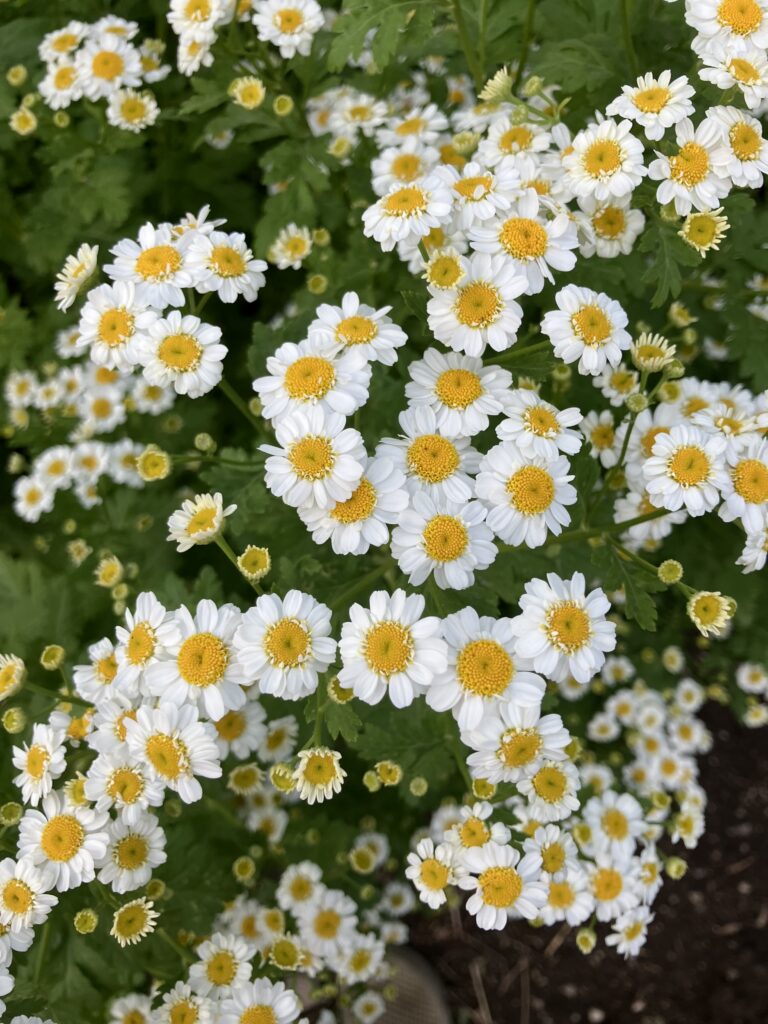
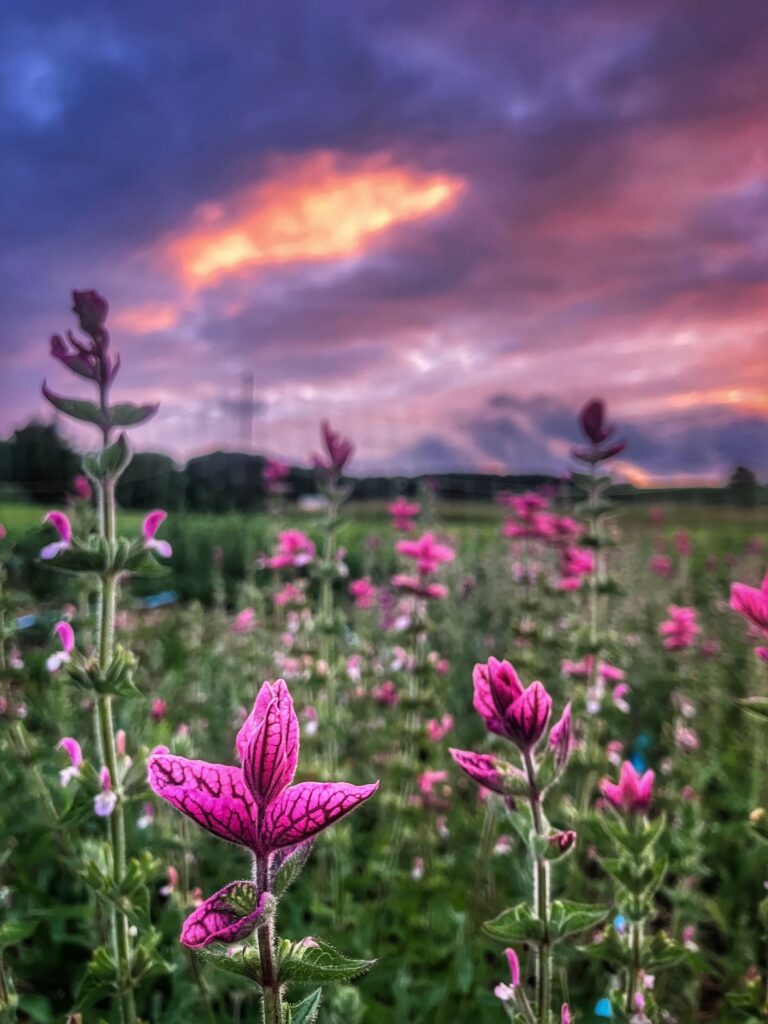

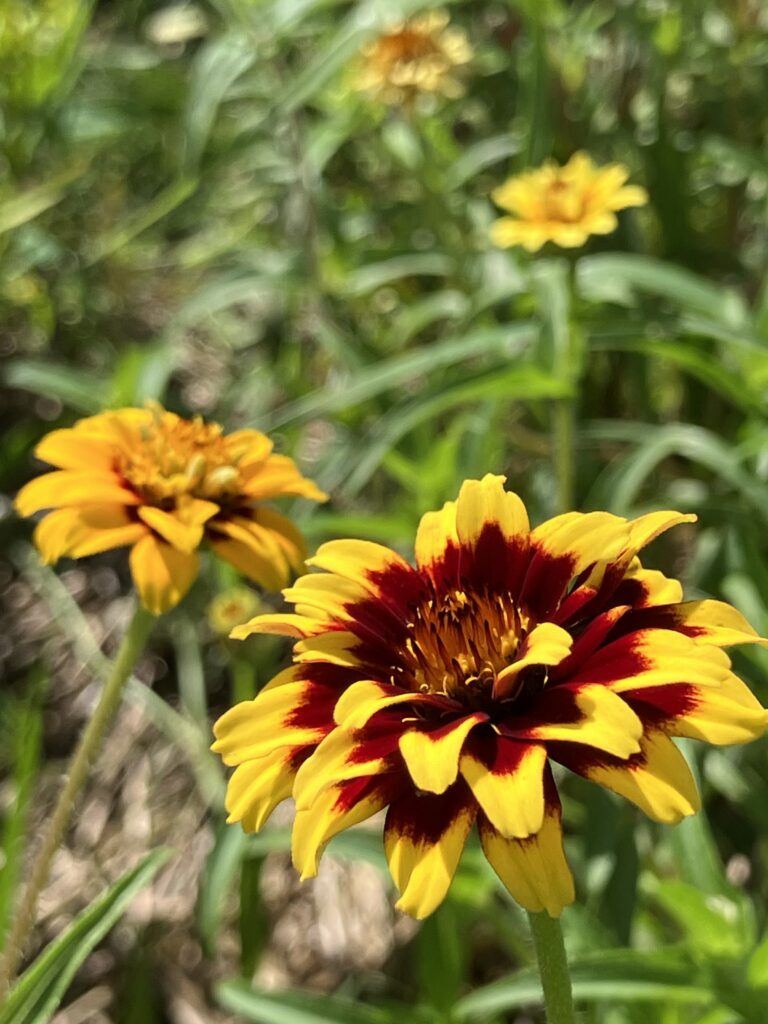
beast and produces consistent, large blooms for months.
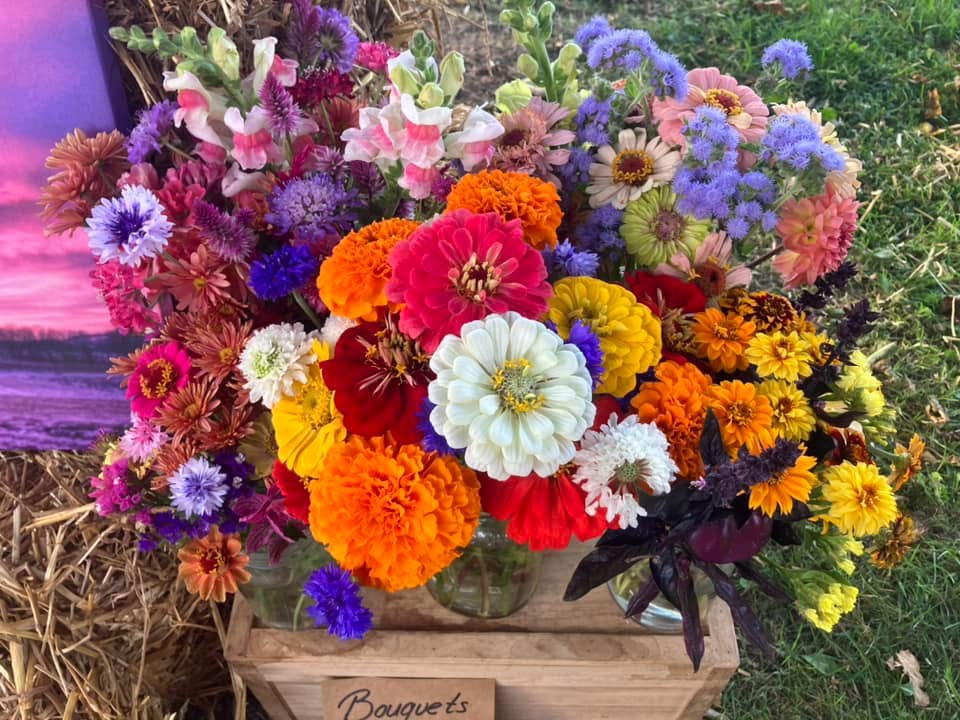
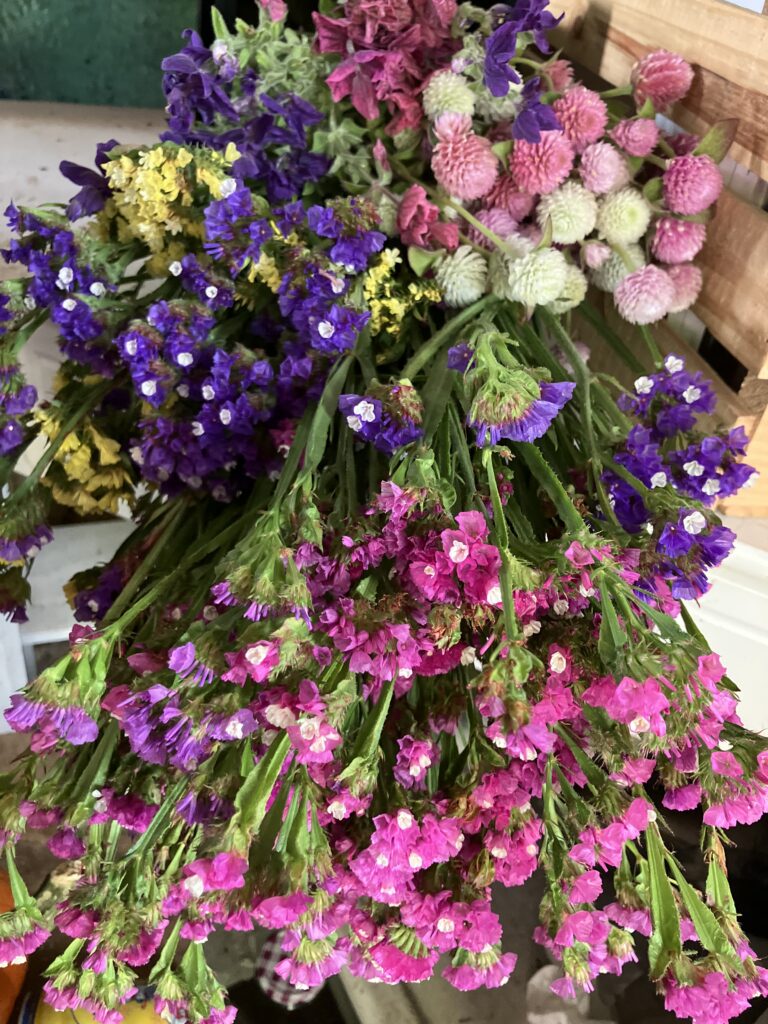
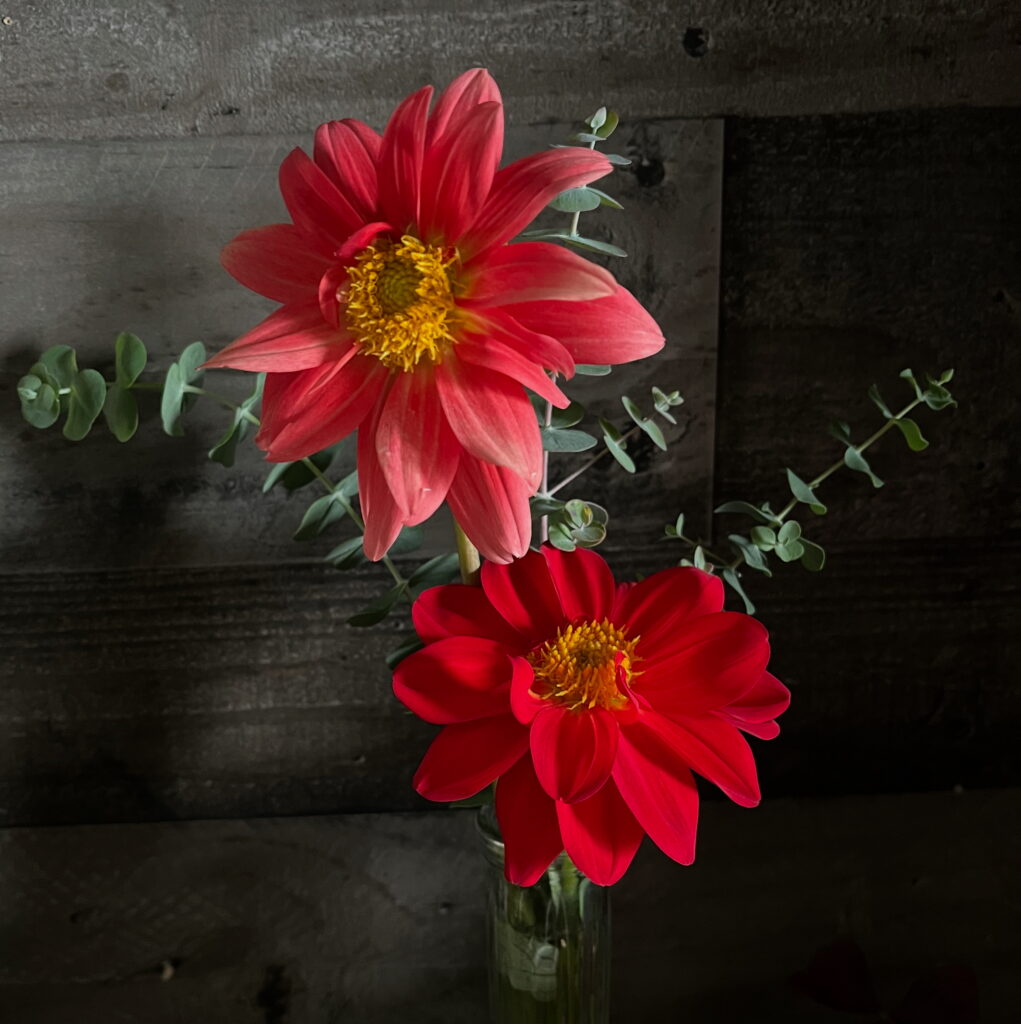
By mid-July, I’ve finished all my successive sowing for the cutting garden, and the bouquets are coming in waves. The snapdragons, stock, and violas have faded to make way for cosmos, zinnias, and the first of the sunflowers and dahlias. Cutting the flower stems is best done in the evening and early morning. This is also when I water, heavier on the morning watering than evening. In some cases evening watering can encourage powdery mildew or other moisture-loving problems. As with any watering, if I do water in the evenings, I do my best to avoid getting the plant itself wet.
One thing that doesn’t seem to slow down, no matter what type of garden you have, are the weeds. Most of the weeds I must deal with are not established and have blown in from adjacent fields as seed. After a good rain there is often a blanket of just emerging weed seedlings, and my goal is to skim them off before they have the time to take root. If I’m lucky enough to have these types of weed seedlings, a good rustling up of the soil is all that’s needed, and the uprooted plants will wither in place without the added task of picking them out of the garden.
Heavy producers are heavy feeders, as I’m sure you vegetable gardeners know. The same goes for these cut flower annuals, and consistent deep watering, with regular fertilization, is also important through the hot production days. I currently don’t use any synthetic fertilizers in the field, although I may someday as the fields and business expand. Right now, my best fertilization is by top dressing my garden beds with aged (two years or older) barnyard compost, courtesy of my goats, cows, and chickens. Annual plant life cycles are finished at the end of the growing season, or, if you don’t cut off their flowers, when they go to seed. It’s almost counterintuitive for someone who once grew plants for lasting landscape impact to work with plants that grow best when cut the deepest, harvesting the whole flower stem, especially in the summer heat. I have to remind myself, if they are blooming, they are begging to be harvested!
If you are growing primarily natives and long-lasting perennials, they won’t fancy having every bloom cut off, especially in July and August. But zinnias and other heat-loving annuals thrive in the heat; they originated from places like Mexico. Notice I didn’t say deadhead. You typically don’t deadhead in a cutting garden, which refers to just snipping off past blooms. The goal for cut flowers is long stems, so deep cuts are required to signal the plant to make new, long shoots. Again, a hard task for a former perennial and woody plants-only gardener, but a necessary one.
So while I attempted to write this piece as an admonition to slow down in the heat of summer, as I was once inclined to do, I must confess, that as a recent convert to the cut flower lover’s club, I must garden through many a sweaty day, only resting after much cutting, watering, and weeding. The good news? It’s been a delight to try a new type of gardening, and while I don’t fancy myself old, this cat can indeed learn new tricks in a new space, despite the heat.
Bonnie Warriner is a horticulturalist and budding flower farmer with a love for capturing beauty in pictures and words. You can find her among the wildflowers and goats on her family’s 150 acre farm in Jasper, New York.
This article originally appeared in the July/August 2026 issue of Upstate Gardeners’ Journal.
Views: 23