




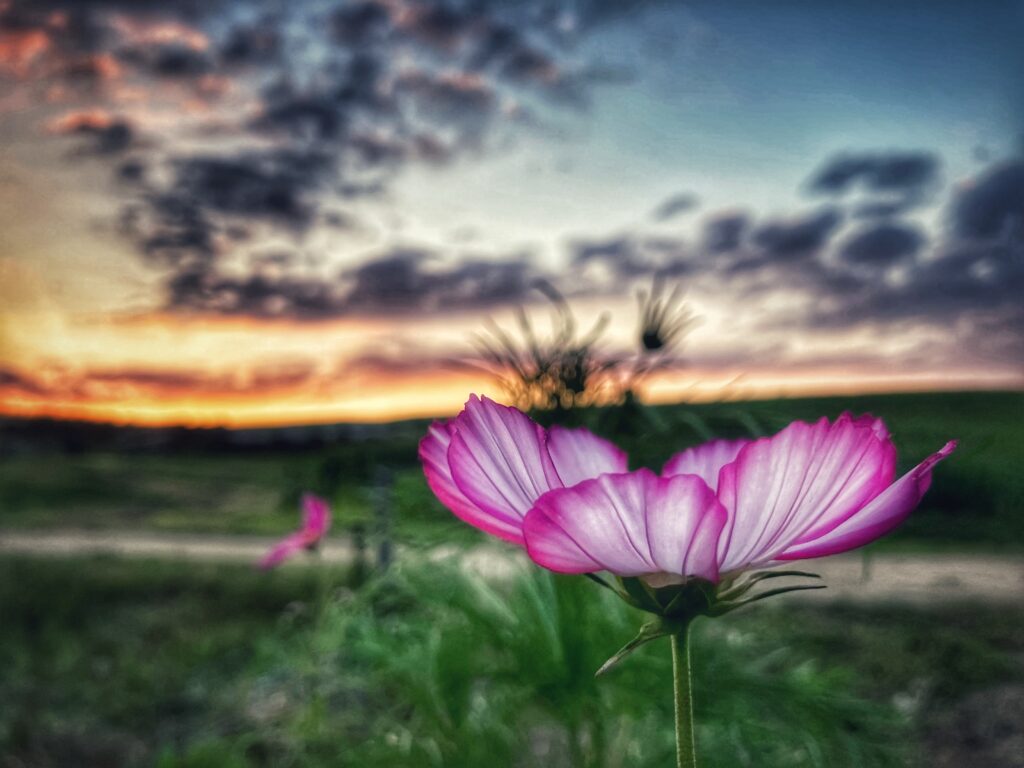
Ah, the -ber months are here! While I am looking forward to a weeding respite and enjoying cozy indoor time of the colder months, there are a few autumn traditions I like to do before tucking the garden beds in for the off season.
REFLECTION AND ORDER
Can you remember back to those dreamy winter months circling oodles of eye-catching plants in seed catalogs? I am a self-diagnosed seed hoarder, and every year I just can’t help but load the shopping cart up with many amazing seeds to start come winter’s end. There are always a few super dazzlers that I get excited about, but I try to limit my new picks to three or four so I don’t overwhelm myself. Each spring I endeavor to track their progress closely to see if they’ll make the permanent garden resident list. Early in the year, I am armed with a garden journal, meticulous seed-starting notes, and ambitious plans to log my garden’s growth. Alas, in the heat of the growing season these journals have melted into the mass of empty pots, six-packs and disconnected grow lights, and I’m lucky to find a working pen on my germination bench in July.
I remember Buffalo garden writer Sally Cunningham once describing a gardener’s “Neatness Scale,” and how we all develop our own level of tolerance for mess in our gardens. I tend towards the end that has zero clipped topiaries, paths that meander through and sometimes disappear into edges of plants that brush at my legs, to which the tactful kindly call “naturalistic.” My work areas, however, I consider clearly exempt from this scale, and they are never part of the garden tour. Much like my sink of dishes, the note taking, container organizing, and general horizontal surface discovery is an area of chaotic neglect in summertime.
But as the cooler months roll in, a sense of returning to order comes back over me, and while I do not tidy up my garden much in autumn, I do spend time cleaning and organizing my pots, tools, storage area, and germination workroom. Amidst the mess I always find my ambitious spring notes and seed catalog picture collages. It’s always interesting to see what met, exceeded, or took a nosedive from my spring expectations.
SEED COLLECTING
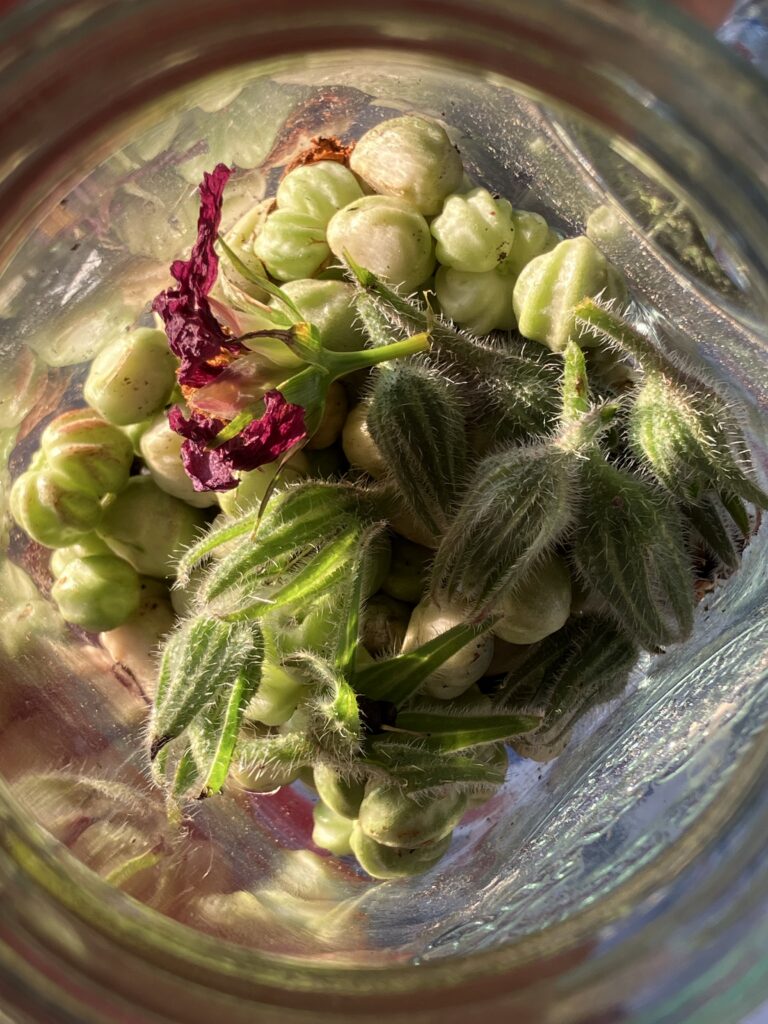
I grow a great deal of plants that produce viable seeds, and autumn is when I collect and dry seeds for next season. While I don’t consciously earmark specific plants to collect from, I slow down on deadheading as the season winds down, and naturally, seeds develop. Some plants, such as dill and feverfew, self-sow abundantly into my garden, so I don’t collect their seeds for indoor storage.
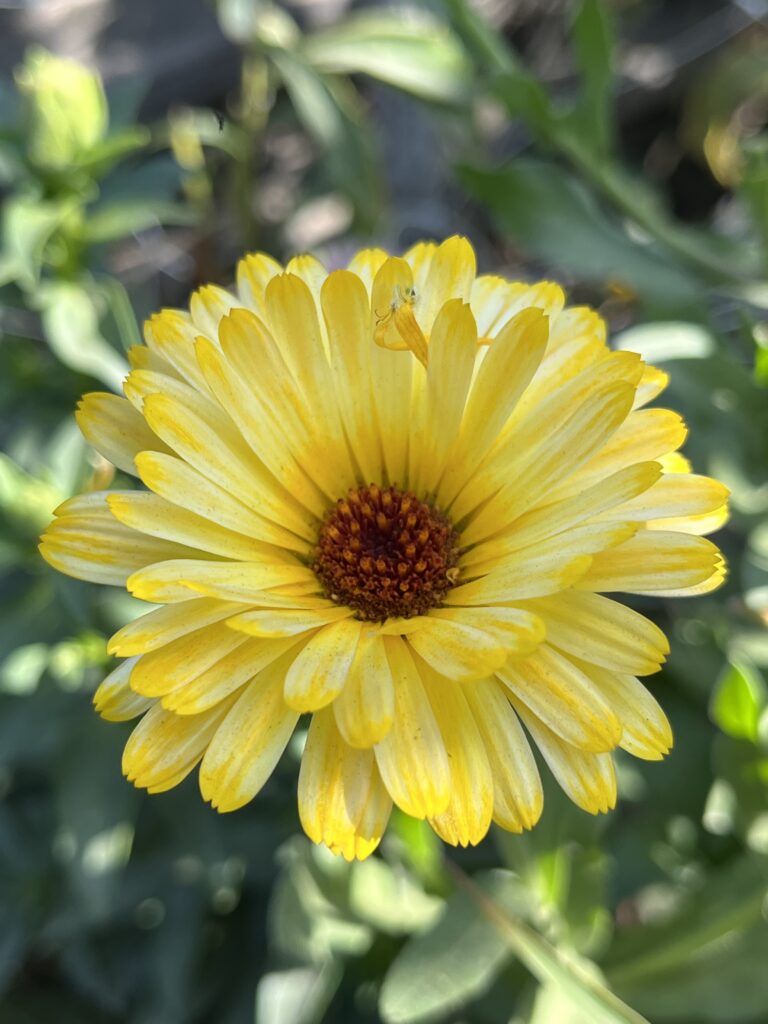
Among my favorite seeds to collect from the garden are calendula, cosmos, marigolds, basil, purple hyacinth bean vine, and zinnias. My seed collecting methods are similar to my other gardening habits, not very strict, but rather foolproof in their simplicity. I cut whole seed heads directly into paper bags, and leave the bags in a cool, dry place until I can separate the seeds and sort through them. This is best done on a dry day, in the afternoon, to ensure the least amount of moisture. If I am concerned with moisture or the seed heads were quite green when collected, I will spread them out on a newspaper-covered tray for a few weeks to dry. Then, I store them in labeled paper bags, later to be divided up for my winter seed swap gathering and personal collection for planting next year.


SEASONAL STARS
As autumn arrives, I like to pick out three top performers for the year. Sometimes my new introductions become my seasonal stars, but more often than not, my top three surprise me. This year, the clear winners are ‘Silver Plate’ eucalyptus (Eucalyptus polyanthemos), ‘Summer Pastels’ yarrow (Achillea millefolium ‘Summer Pastels’), and Cephalanthus occidentalis (buttonbush).
I’ve been growing eucalyptus from seed for three years now, but 2026 was my first growing ‘Silver Plate’. I chose this variety to satisfy my cut flower projects that required its dramatic draping foliage, like cascade bridal bouquets, and I loved the added dramatic flair of a reddish hue in its stems and growth tips. Eucalyptus is a slow growing plant, maturing at about 150 days from germination, so I started their seeds in late January. They were ready to harvest starting in early August and were a stunning addition to bouquets. There are also several ‘Silver Plate’ bunches drying for fall wreaths and seasonal decor projects. If you’re thinking of trying eucalyptus, I’d say it’s totally worth the wait, and other than having to monitor seedlings for a long time and increase their pot size once or twice, they are not that difficult to grow from seed.
‘Summer Pastels’ yarrow was on last year’s underperformer list, having been sown in spring and never producing flowers. Honestly, I had planted them as an afterthought; I had already exceeded my space for 2025 seed starts, and I threw the whole packet in an open tray. They were relocated into the garden late and forgotten about for the rest of last year. Well, they came back wonderfully this spring, and yielded dozens of bunches of blooms in soft shades of cream, pink, and purple. I am dividing the patch in September, as it is a solid mass of probably every seed I sowed last year, and gifting several of the divisions to friends for fall planting.
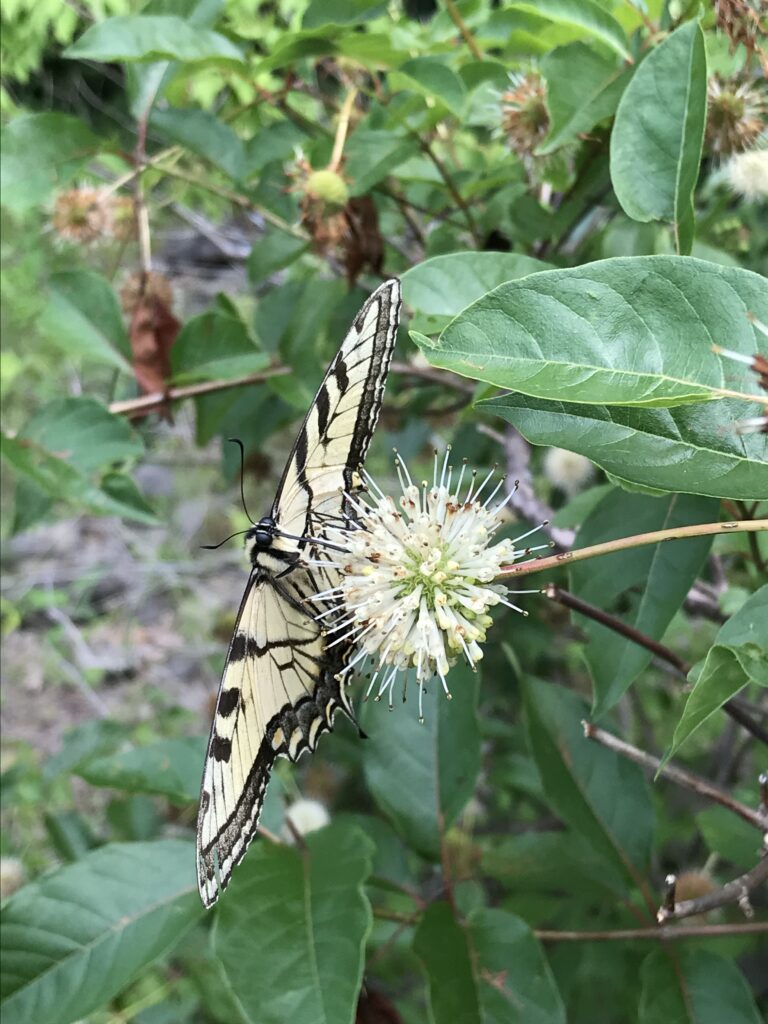
Last year I heeled in six bare root shrubs into a temporary bed, planning to move them to a new garden space I was creating this spring. I had purchased pairs of three fairly resilient species as I’m still getting the lay of the land: Philadelphus lewisii (mock orange), Forsythia × intermedia (border forsythia), and Cephalanthus occidentalis (buttonbush) and planned to use them as structural “corners” in my new garden bed. Unfortunately, by the time I got around to making a place for them in early June, my buttonbush shrubs had not one a leaf on them. We had some really cold spells late into May this year, and I wasn’t sure if their barrenness was due to never budding out or the new leaves being killed by late frost. Having nothing to lose but time, I relocated the water-loving skeletal pair to a permanent location close to the nearby drainage ditch. Sure enough, a few weeks later, I had leaves on most of the branches. On this lovely fall day, my buttonbushes are still sporting their conspicuous fragrant blooms for which they are aptly named. Reflective, autumn me is grateful that the overly ambitious, sometimes too impatient spring me remembered to give woody plants a second chance. That’s one of gardening’s rewards: learning that there is often more life waiting to emerge than meets the eye.
Bonnie Warriner is a horticulturalist and budding flower farmer with a love for capturing beauty in pictures and words. You can find her among the wildflowers and goats on her family’s 150 acre farm in Jasper, New York.
This article originally appeared in the September/October 2026 issue of Upstate Gardeners’ Journal.
Views: 1