




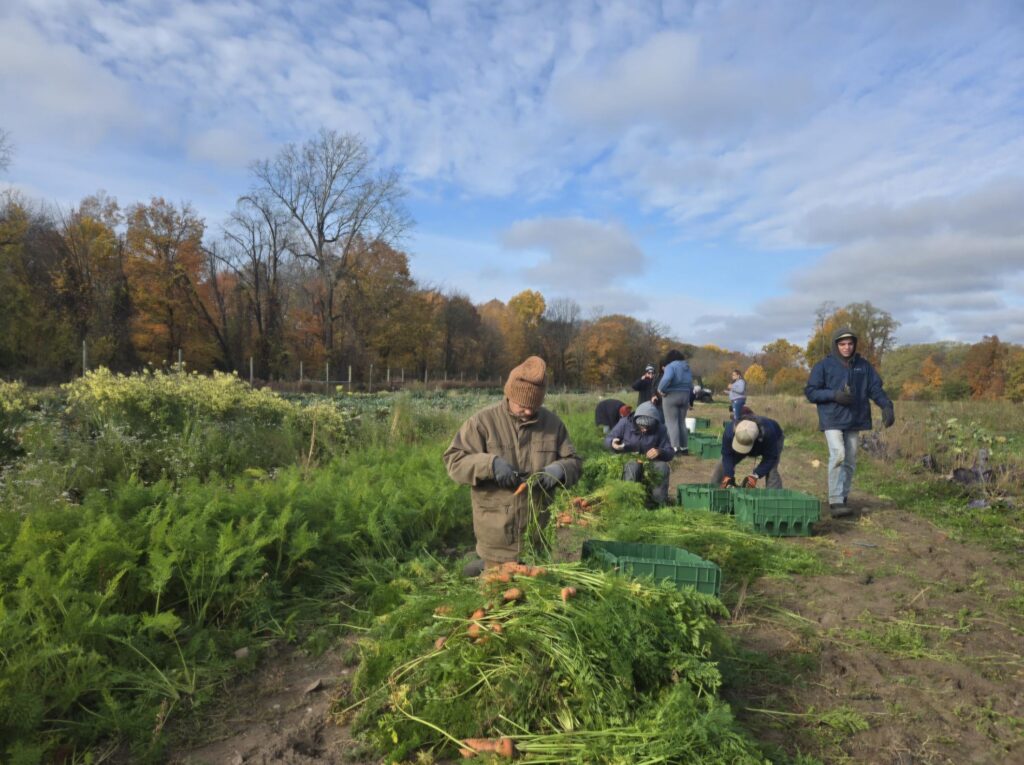
STORING WINTER SQUASH AND ROOT VEGETABLES
Can you really just park that butternut squash on the counter? And what are the best ways to store root vegetables?
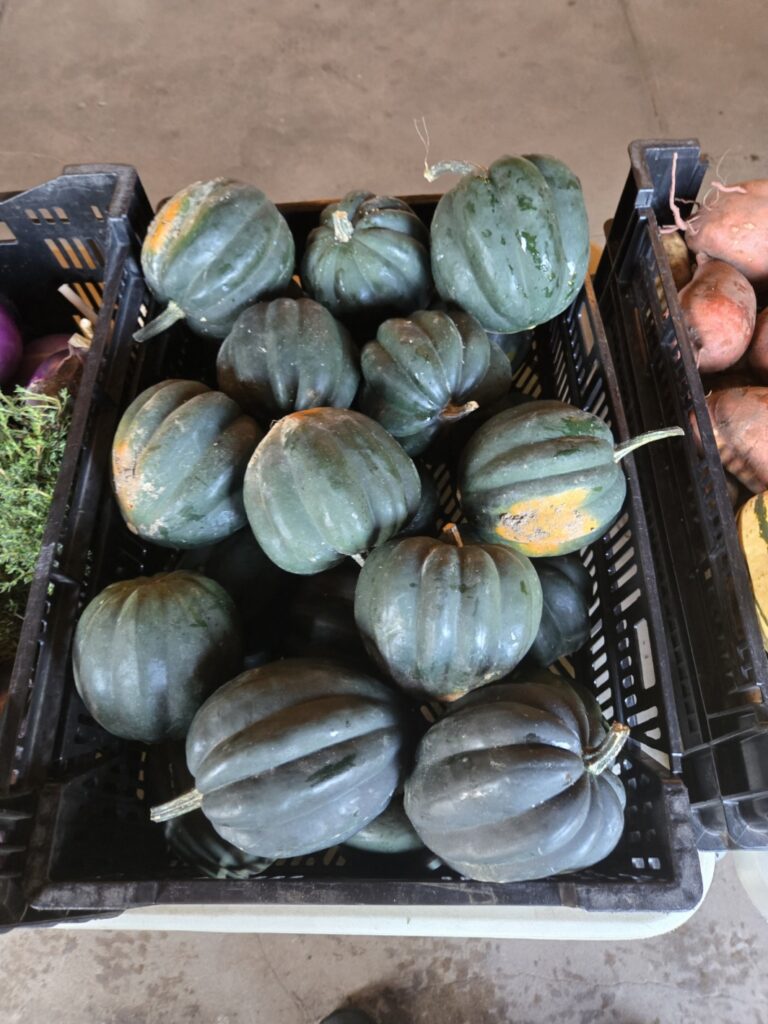
When it comes to winter squash, “ideally, your basement is likely the better choice,” for storage, “as long as the squash is safe from rodents and it isn’t too humid down there,” says Chris Krivanek, farm director at Homesteads for Hope in Rochester. The cool air and slight humidity in the basement, usually 60% or so, should keep squash from drying out. “But a cool, drafty spot by a kitchen window works just as well.”
What about storing root vegetables in the refrigerator? Krivanek recommends storing root vegetables in a plastic bag in the fridge that is left open “so they can breathe a little” while keeping the humidity high—avoid the mesh storage bags. Remove any green tops from vegetables like carrots—the leaves are still alive and will pull moisture out of the root.
What if you have an old home with an actual root cellar? “I would check conditions in an old root cellar first,” Krivanek says. Inspect the cellar for signs of rodents and get a temperature reading—the root cellar should not drop below freezing. “Also check humidity, if possible. Otherwise, go for it.”

EXPLORING GARDENING PODCASTS
You may already be listening to news or crime podcasts, but have you checked out podcasts for gardeners? “I love the intersection of storytelling and learning,” says Kelsey Segaloff, whose Garden Like podcast launched this year. Just like her podcast, her gardener origin story is unique. “I first wanted to garden because of the movie Practical Magic,” she recalls. She later learned to garden in a virtual space, the video game Stardew Valley. The game taught her about “seasonal planting, fertilizer, irrigation, and crop planning” long before she ever had a real garden. The idea is that garden inspiration can come from anywhere—and that was the genesis of the podcast. New episodes of Garden Like come out every other week, and episodes in season one include “Garden Like a Giant Pumpkin Grower,” “Garden Like a Witch,” and “Garden Like a Sustainable Urban Flower Farm.”
“We’ll even be doing ‘Garden Like Christmas 1899’ in December,” Segaloff says. When it comes to the podcasts she listens to, Segaloff has many favorites. The Dirt on Gardening with Andre the Farmer features a botanist and a master gardener, she explains, so “I think advanced gardeners will also like it and enjoy asking more detailed questions.” Garden Girls with Meg and Dagny is both informational and “soothing,” she says, because listeners feel like part of the hosts’ friendship. Another favorite is Urban Gardening with Gray. Derek Haynes’s The Chocolate Botanist is also great for advanced and beginning gardeners alike, she says; it’s “very conversational with high levels of expertise, and they record live, so viewers can submit questions to be answered during the show.” The Cultivating Place radio program and podcast are thoughtful and well researched projects “about natural history and the human impulse to garden.”
You can find gardening podcasts on Spotify, YouTube, and Apple Podcasts. Garden Like is a video podcast on YouTube, and the audio is available wherever you listen to podcasts.

FIERCE, FIERY HYBRID HEUCHERAS
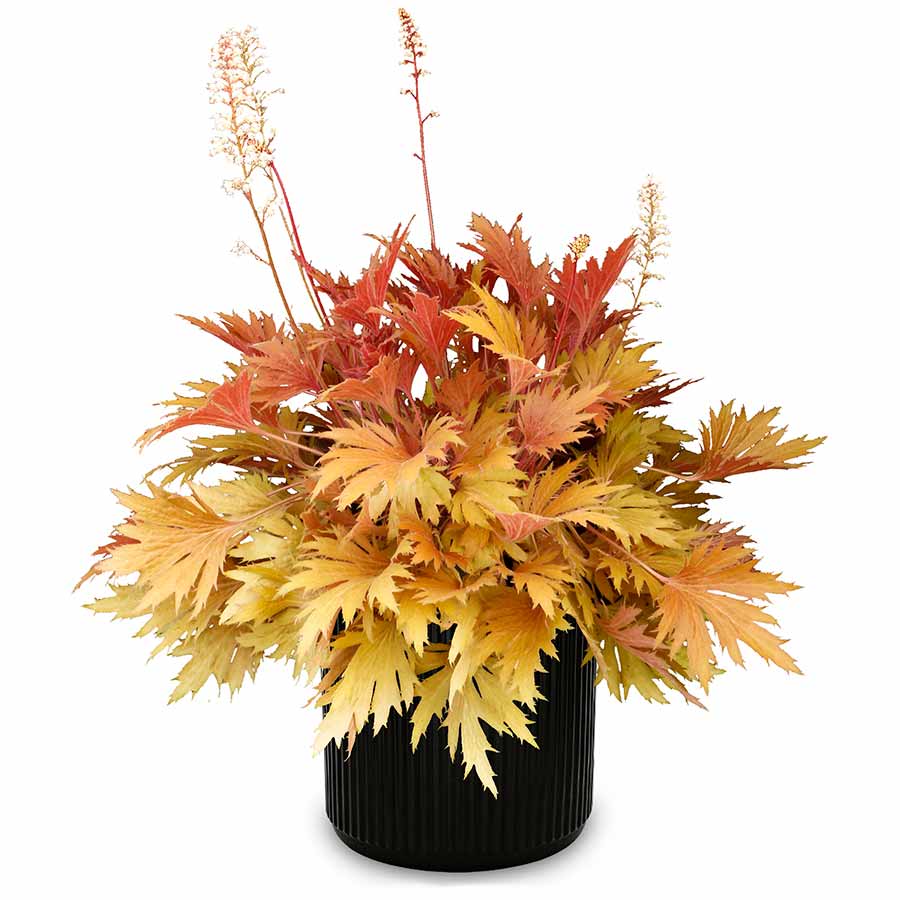
For those who like a little fantasy in the garden, the new “Fyre Wing” series hybrid heucheras from Terra Nova could deliver some botanical escapism. These whimsical plants are “the first lace-leaf heuchera collection in the world,” says Chuck Pavlich, director of new product development at Terra Nova. The collection is non-GMO and protected by utility-patented genetics. They have “leaves that appear to unfurl like finely laced dragon wings,” and the inspiration for this collection was lore around dragons from the East and West. “Dragons are notorious for hoarding treasures, specifically gold and gems, which form the shells of their eggs,” Pavlich explains. Each of the seven varieties in the collection is named after a precious gemstone and boasts foliage that might remind you of a mythical beast. The “Fyre Wing” heucheras do best in full sun to partial shade and moderately well-drained, organic soil. They have average water needs, Pavlich explains, and it is better to let them be too dry than too wet once established. USDA Hardiness Zones for the series are 4–9. tnn.s.gy/HEUFYREWING
Carolyn Sperry is a freelance writer in Rochester. She has published nationwide, won the Gotham Writers Stories Everywhere competition, and writes poetry featured in several journals.
This article originally appeared in the November/December 2026 issue of Upstate Gardeners’ Journal.
Views: 2