


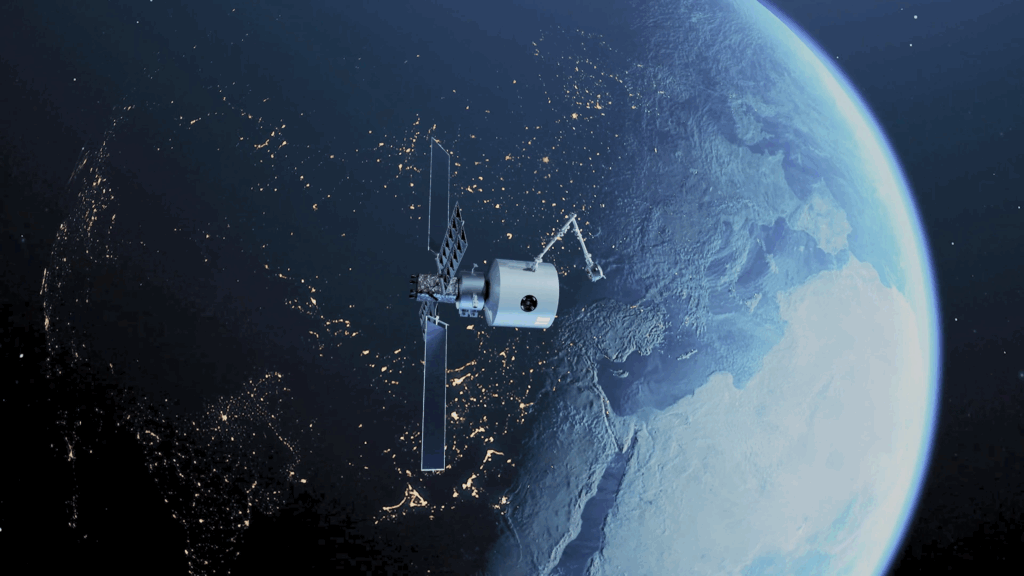
Regular visitors to the Rochester Museum and Science Center’s (RMSC) Strasenburgh Planetarium are familiar with the dome-shaped building, darkened corridors, and reclinable seating. You might have seen “The Sky Tonight,” about the current positions of the constellations or learned about planets and black holes in other star shows. Maybe you’ve even attended a laser light show set to holiday or pop music.
Now you can see a full documentary projected over your head: Space: The New Frontier!
Released in 2024, Space was specifically made for giant screen theaters like the planetarium’s and opened at RMSC in October 2025. The museum’s staff are excited to bring films back to their dome, something they haven’t done in several years.
Space “ventures behind the scenes of some of the most promising space technologies and missions of our time,” says the RMSC website. It also gives viewers a sneak peek into the near future—like non-astronauts being able to take a leisure spaceflight!
“Space is a wonderful tie-in to the museum’s new traveling exhibit: Astronaut,” says Jim Bader, director of the RMSC Strasenburgh Planetarium. Featured in the (585) Kids fall issue, this exhibit runs through May 3, 2026 and “investigates the realities of what it takes to be a space explorer through hands-on, immersive, and full-body displays,” says RMSC. Visitors will be able to watch the documentary at the planetarium, then walk next door to the museum proper to see if they have what it takes for a career in space.
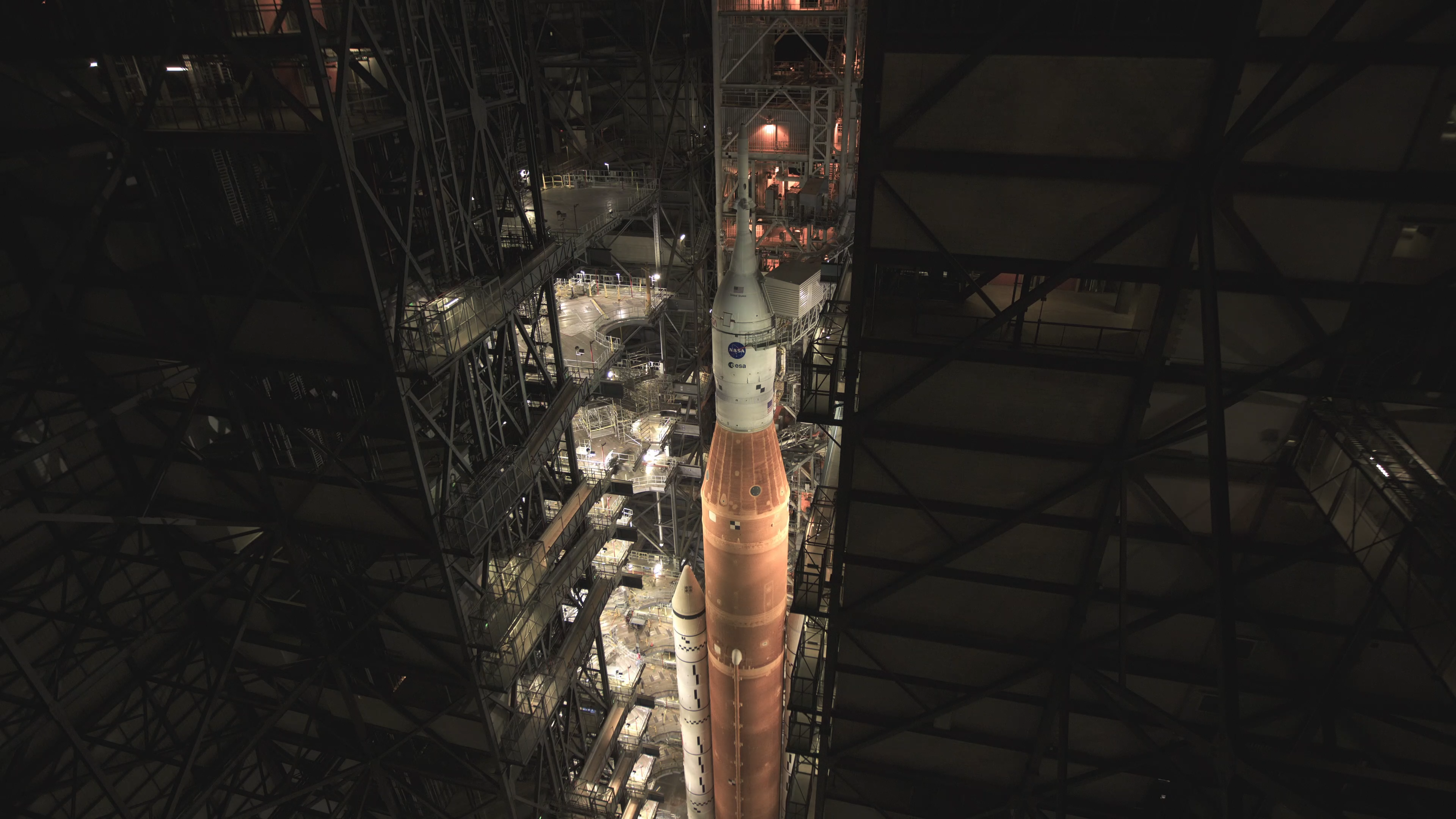
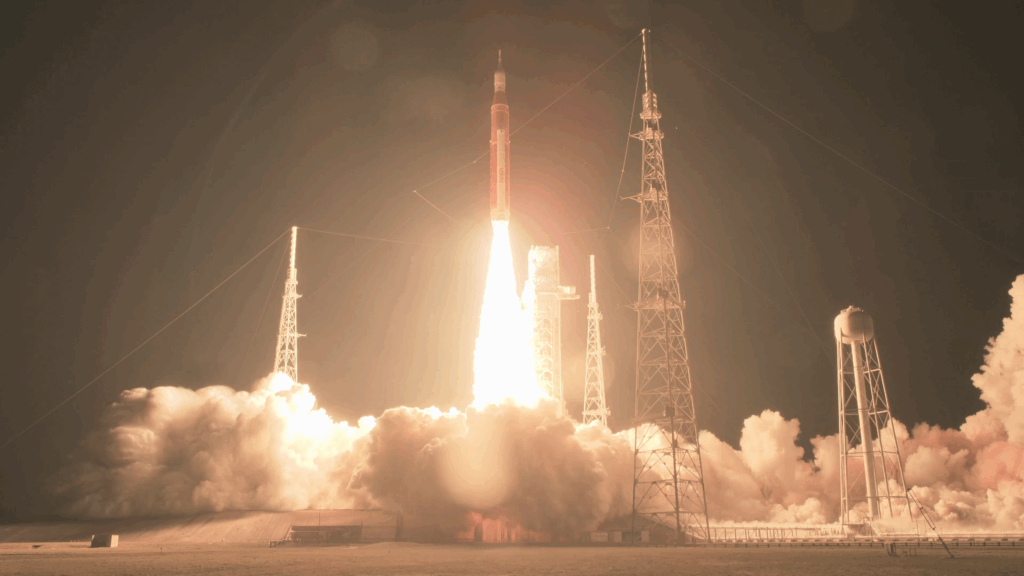
“This new show also coincides nicely with the expected launch of Artemis II, which will be the first crewed launch to the Moon since the ’70s,” says Bader. “The launch windows open in February of 2026 and are promised before the end of April 2026.” Artemis II will be led by Canadian Space Agency astronaut Jeremy Hansen and NASA astronauts Reid Wiseman, Christina Koch, and Victor Glover.
Glover, a navy man turned astronaut in 2013, is one of the stars of the film. In November 2020, he piloted the Resilience to the International Space Station, where he spent 168 days in space. He will be the pilot once again for Artemis II. At the helm of the Orion spacecraft, he will also be the first person of color to orbit the Moon, and viewers can see him prepare for his historic role.
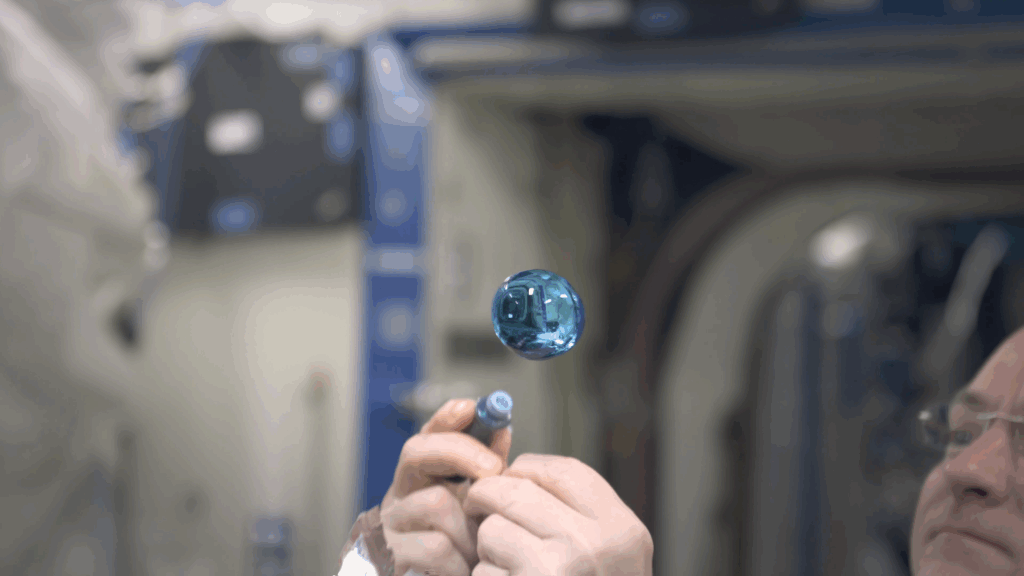
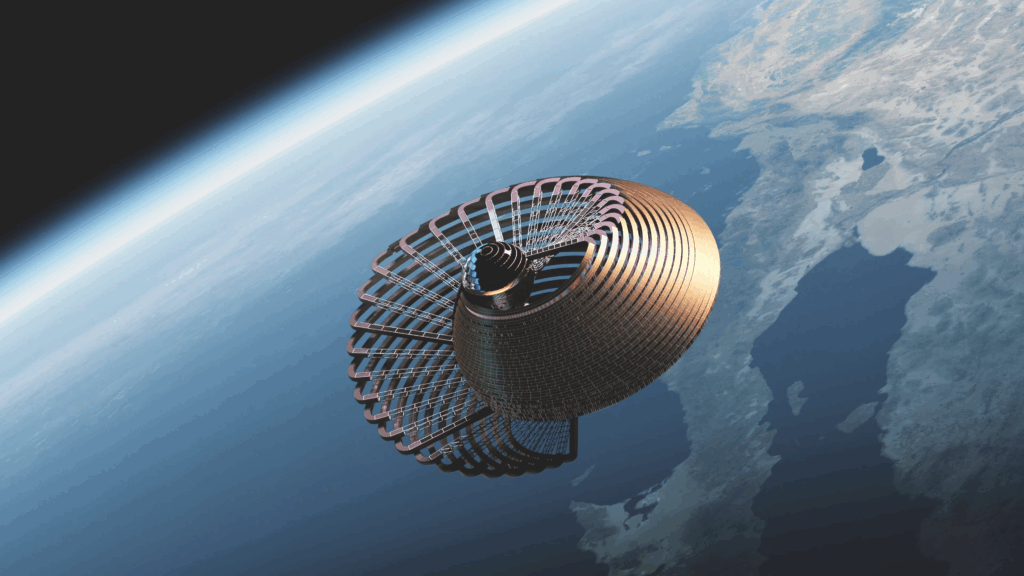
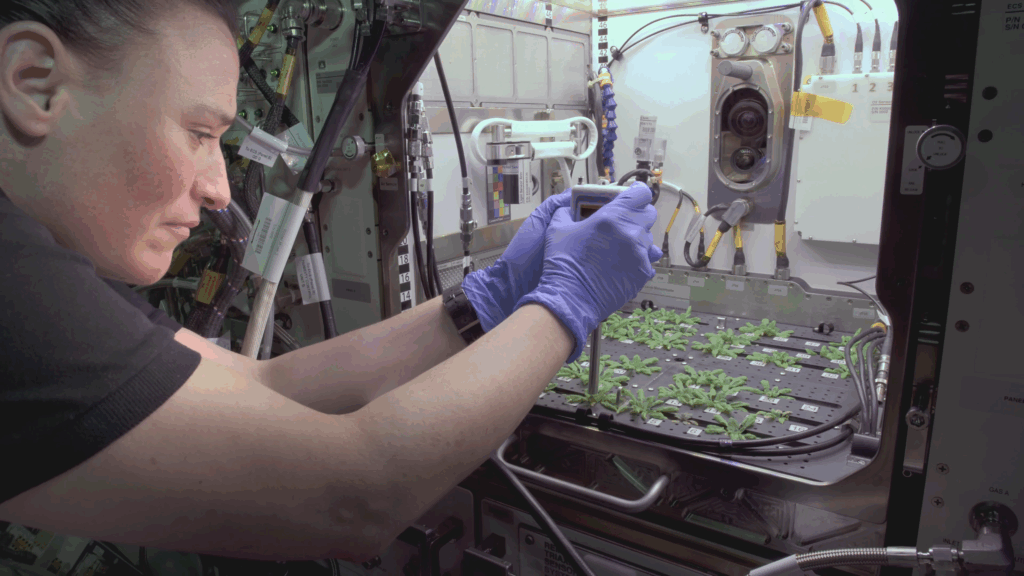
Dr. Ariel Ekblaw also stars in the film. She is the founder and CEO of Aurelia Institute, which creates and tests technology to be used in space. As part of MIT’s Space Exploration Initiative, Ekblaw and her team run parabolic flights (space travel simulations involving weightlessness and only partial gravity), suborbital launches (flights that go to the edge of space and back to Earth, not into orbit), and missions to the International Space Station. Some of her tools have made it to Mars, and viewers can see how Ekblaw is working to get humans there, too.
Some viewers may recognize the voice of the narrator, who is none other than Chris Pine, Star Trek’s Captain Kirk in the movie reboots (2009, 2013, & 2016). Don’t let his sci-fi stardom fool you—while some of the interstellar dreams in the film feel like fiction, the work being done to achieve them is real.
If you are less of a visual person and more of a musical one, you’re still in luck. Space has won numerous awards for best original score. And while moviegoers often take the auditory part of the experience for granted, composer Alan Williams makes sure his majestic orchestral arrangements enhance the emotion of the film.
Space is forty-two minutes long and recommended for ages five and up. “The film was intended to connect kids to the fact that it will be them who are going to be the Mars explorers,” says Bader. “The opening and closing scenes are ten to twelve-year-old kids launching model rockets.” Viewers will also get to experience rocket launches, an underwater neutral buoyancy lab (an indoor pool used to train astronauts and test their equipment), and a “spin-launch” (spinning a satellite up to 5,000 mph before catapulting it into orbit) on the big screen.
Ticket prices run from $11 to $13 dollars each, but RMSC members can purchase them for $4 less. (Members can also see the star shows—and get into the museum—for free!) Make sure to put this experience on your calendar before July 2026 when the film’s year-long planetarium run will end. “Guests who have seen the film have given very positive feedback,” says Bader, so don’t miss it. The new space age is now!
This article originally appeared in the Winter 2026 issue of (585) Kids.
Views: 9