


History is preserved and passed down through generations in many ways, the most intimate of which is storytelling from one person to another. Those who dedicate themselves to researching and sharing Rochester’s history are true regional treasures because their passion and efforts keep the city’s stories alive and sparking interest in the next generation. But committing to honoring and accurately retelling history takes time, a scarce resource for many younger adults who are deep into their careers and child rearing years.
An increasing number of retirees are filling this gap and embracing the opportunity to stay active, build connections, and share stories that might otherwise be lost. I sat down with four dedicated stewards of local history to learn what fuels their passion and how they’re ensuring Rochester’s rich past is not forgotten.
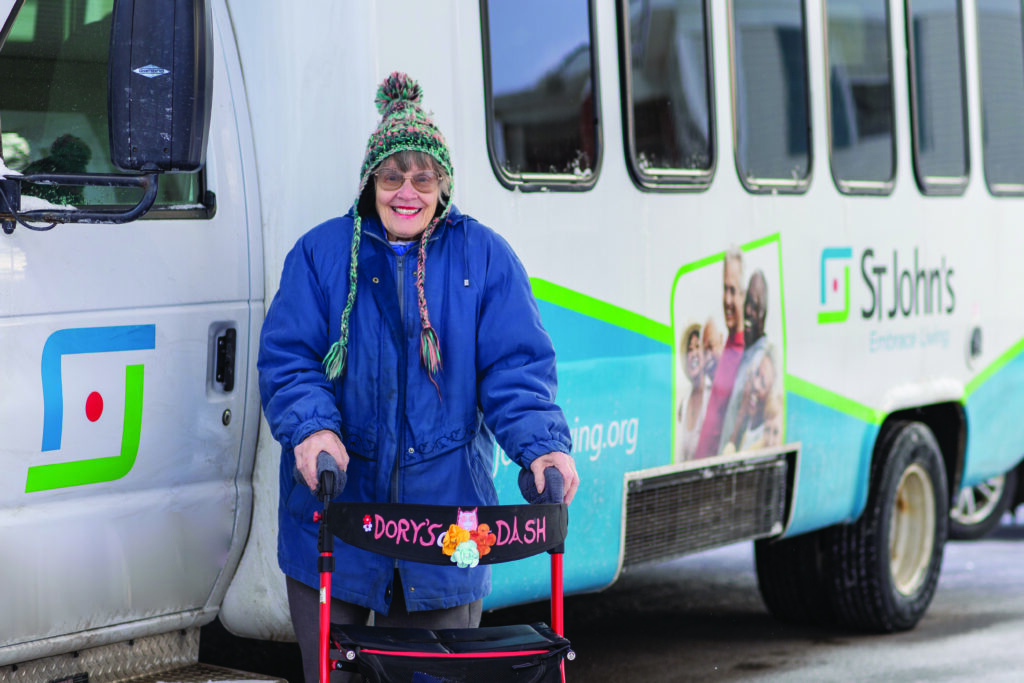
Doris Adamek, 98
Rochester History Tour Guide and Storyteller
How did your storytelling and tours begin, and how did they evolve into what you do today for St. John’s?
I worked at the Friendly Home for twenty-five years, from 1980 to 2005. I was driving their bus and taking residents out to concerts, picnics, and restaurants. I found myself becoming more and more interested in the places we were going.
I started my “Dory Stories,” my personal tales and recollections about Rochester, around 1990. I began spreading out and sharing these stories with other senior communities, church groups, and book clubs. At one point, I counted about seventy different communities that I was involved in!
Now that I live at St. John’s, I’m still sharing stories, leading tours, and helping people rediscover Rochester. It all comes from my love of the city and my love of people.
Are you still leading tours today?
Yes, I did five tours last summer! I also started doing historic house tours, which were brand new for me.
The Genesee River comes up often in your narratives. Why is it so important to you?
The river is my very favorite tour of all. I call it Rediscover the Genesee River because I think people take it for granted. Once, I had a gentleman in tears at the end of this tour, because he never thought he’d see all those places again. That’s why I do it. It brings back happy memories.
What’s one Rochester landmark you especially love sharing?
I have a special fondness for the statue of Mercury and the way it stands out against Rochester’s skyline. I know its history—how it was laying on the floor in a warehouse for years—and I’m always happy to see it flying in the sky again. I’m very grateful that I was born in Rochester. It’s a city I’m proud of and a city I love.
How has volunteering shaped your retirement?
I don’t even consider myself retired. I went right into this. I’ve never, ever been bored—I don’t even know what that word means. It’s brought so much fun and joy. As long as people still come to my talks, I’m going to keep doing them!
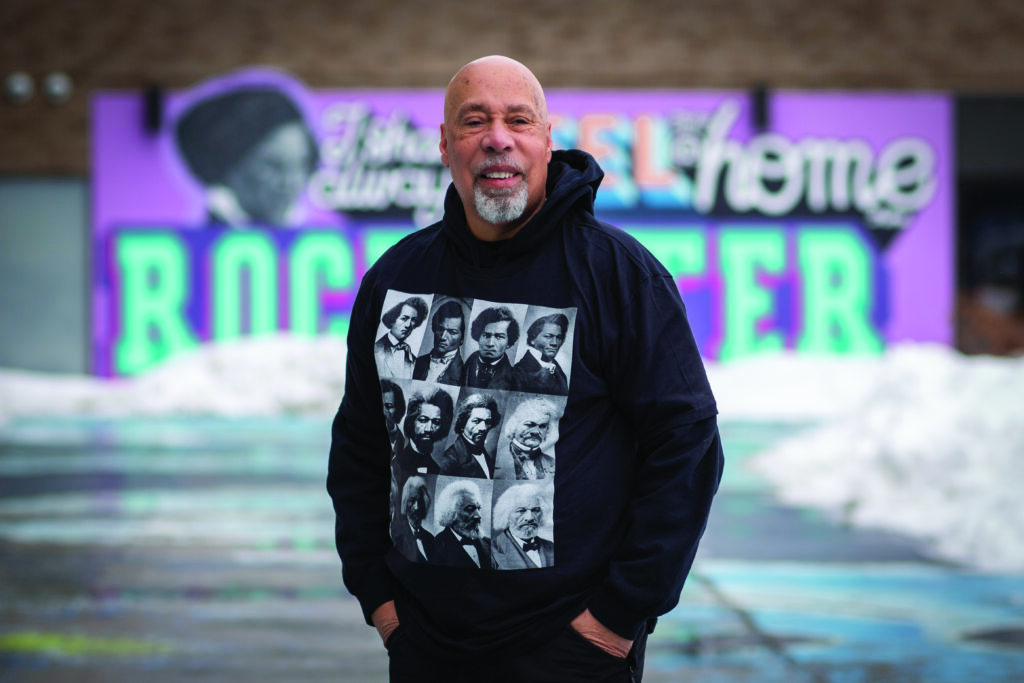
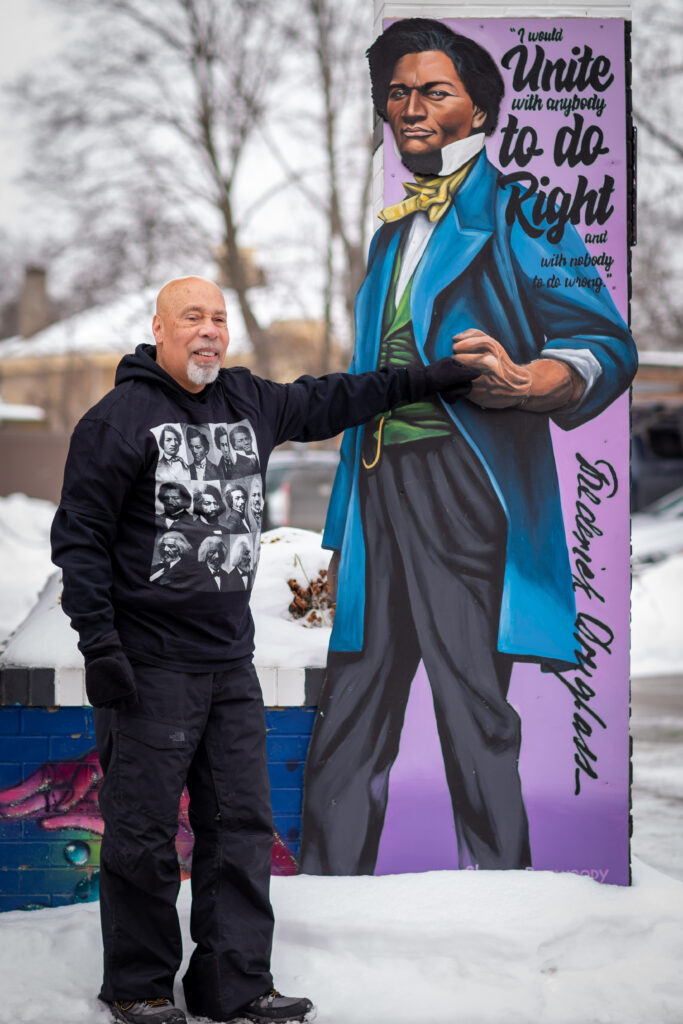
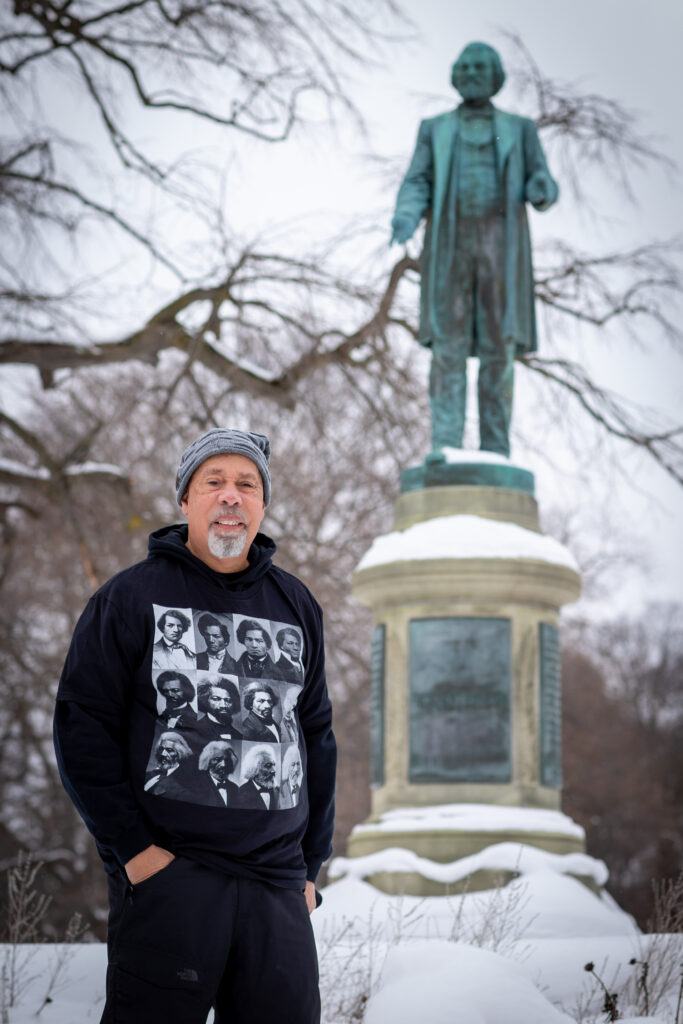
Norm Strothers, 75
Storyteller with Blackstorytelling League of Rochester
How did you get involved with the Blackstorytelling League of Rochester?
They are a group of teachers that I knew from the city school district. My wife [Shirley Strothers] plays an important role in this … She’s the one that actually coerced me into joining and trying my storytelling skills out.
What kinds of stories do you tell, and where do they come from?
The storytelling that we focus on goes back to our African roots: stories from Africa, cultural stories of Black folks here in Rochester, and stories that our families used to tell us.
Who do you share these stories with?
We tell stories to a wide range of people, usually by request, at events like school programs, libraries, family reunions, weddings.
Do you have a particular audience you enjoy most?
I enjoy working with children. While I was working in the city school district, I also had an outside interest that was very far from my personality at the time—I was a professional clown. I was known as JazzBo the Clown and became one of the only African American clowns performing locally. I did that for twenty-seven years.
There is a connection between being a clown and storytelling. There’s a thread that I try to weave in the stories that I tell. My stories have a lot of humor in them, and they also have things that people can go away with … maybe not a balloon animal but the thought of something profound.
How does storytelling help ensure these histories aren’t forgotten?
It’s so important that the stories aren’t forgotten. You tell a story once, and it may not be told the same way the second or third time. As people hear these stories, they change the way and direction the story goes. Being cultural stories, you want to keep that theme prevalent. We always let our audience know that when you hear a story, it’s important that you pass on the story. Passing it on keeps the story going.
How has volunteering and storytelling shaped your retirement?
I can’t say enough about how much being part of groups like this means to me in retirement. It keeps me active, keeps my mind fresh, keeps me learning and doing new and exciting things. Another area I focus on is historical tours in Rochester, especially around Frederick Douglass and his family’s twenty-five years living here. I also bring in Harriet Tubman and her connections, and we even sneak in Susan B. Anthony and her role in women’s suffrage and the fight against slavery.
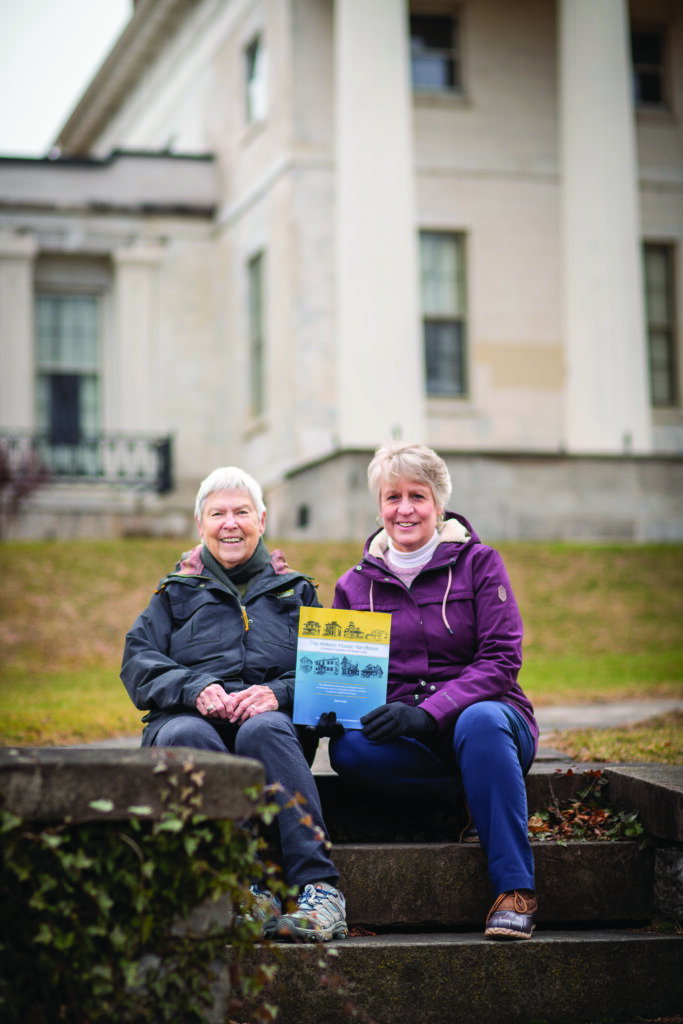
Joanie Fraver, 70 and Bonny Mayer, 86
Historic Preservationists with the Corn Hill Neighbors Association
Tell me about your role in the Corn Hill Neighbors Association and how you got involved?
Fraver: I’ve been involved since I moved here fifteen years ago. Currently, I’m the vice president of the Corn Hill Neighbors Association and serve on about six committees, including the history committee. We work to help neighbors understand the rich history of the area and keep that legacy alive. I was the associate registrar at St. John Fisher College for forty years before retiring and focusing more on volunteering.
Mayer: I’ve been connected to Corn Hill since the mid-1970s, but actually started volunteering here in the 1960s. I was drawn in by the community’s history, especially after seeing how much had been lost post-riots in the 1960s. I wanted to help preserve what was left and be part of rebuilding the neighborhood’s spirit. Before retiring I was a social worker, spending many years working with at-risk youth. That experience led me to become deeply invested in the community and the people here.
Do you two collaborate on projects?
Fraver: Yes! Bonnie and I work closely on many initiatives, including the festival, holiday house tours, and the History Committee. We’re very much partners in preserving Corn Hill’s heritage.
Mayer: That’s right, and we’ve even written articles for the Gazette. It’s been a great partnership over the years.
What are some key initiatives you’re involved in to keep Corn Hill’s history alive?
Fraver: We’ve launched neighborhood tours, created history markers as part of the Wegmans Wellness Program, and organized holiday house tours that draw hundreds of visitors. We also maintain an archive of historical photos and documents.
Mayer: I’m working on a project about the early pioneers of Corn Hill, especially the community members who restored the neighborhood when many houses were abandoned or condemned. It’s important to remember those who helped rebuild this unique area.
What are some of your favorite stories or facts to share about Corn Hill?
Fraver: I love sharing about the original settlers, the canal’s prosperity, and the neighborhood’s resurgence in the ’60s and ’70s. Corn Hill is tied to Rochester’s history through notable residents like Maud Humphrey and Ralph Avery.
Mayer: I focus on the impact of city planning—or lack thereof—especially how the construction of Route 490 disrupted the neighborhood. But thanks to dedicated community efforts, Corn Hill survived and even thrived.
Can you share a volunteer experience that felt especially fulfilling?
Fraver: Running two successful festivals while working full time was a real achievement. But now, helping preserve and share history with Bonny is my true passion.
Mayer: For me, it was organizing a charrette event and advocating for riverfront improvements, which led to significant city funding. Walking along the revitalized river area today reminds me how our work has made a lasting impact.
Volunteering can keep retirees connected. How has it helped you stay active and engaged?
Fraver: I’m busier now than ever! Volunteering lets me connect with neighbors, participate in social events, and do work I truly love.
Mayer: I don’t have family nearby, so volunteering gives me a wonderful community and purpose. I even maintain friendships internationally and assist other neighborhoods with their history projects.
For more information on volunteer opportunities with the organizations mentioned, visit
This article originally appeared in the March/April 2026 issue of (585).
Views: 78