




JANUARY/FEBRUARY
While everyone else is making resolutions that may or may not work out, gardeners are busy making lists and plans for spring.
PLAN: Dig out your dusty garden journal and start imagining your spring garden. What new plants do you want to add? Make a list and start mapping out where you would like to add new plants or move existing ones. Are you considering a new water feature or adding some statuary? Start making lists of landscapers and garden centers that can help you get organized.
TOOLS: Tools that were given a good cleaning in the late summer may need another once over. Oil and work on removing rust from hinges and blades. Don’t forget the big tools like your hoe, shovel, and long-handled weeder.
SEEDS: Vegetables and herbs that can be started in late February are: broccoli, cabbage, parsley, and rosemary, for example. Do a little research about starting seeds you aren’t familiar with. Seeds packets are your best guide.

MARCH/APRIL
TREE AND SHRUB MAINTENANCE: You can prune trees now but avoid “bleeders” like maple, dogwood, walnut, and birch. Shrubs that bloom on new wood,like roses, can be pruned back in= early spring.
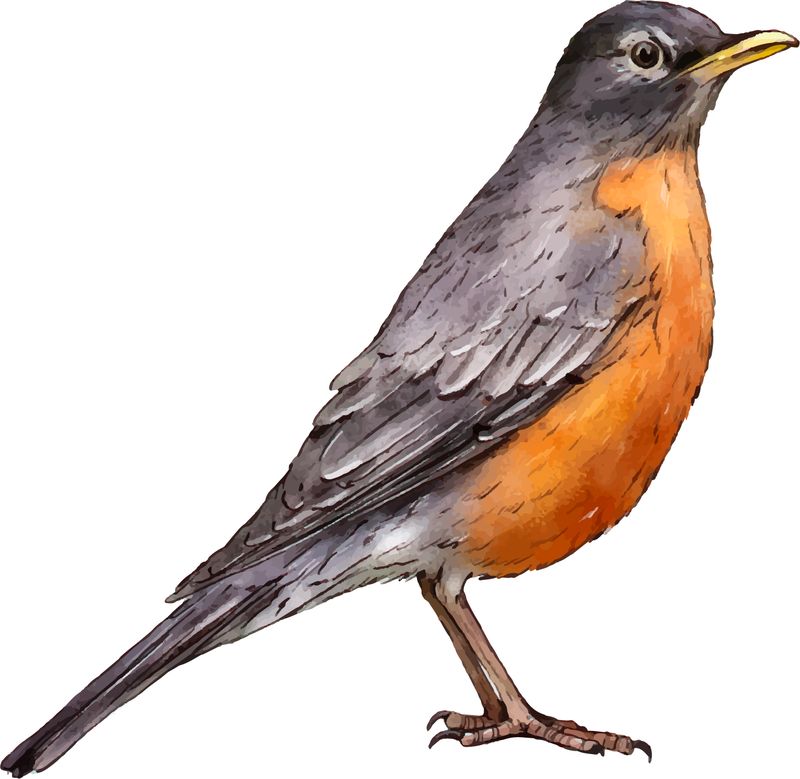
MORE SEEDS: You can start March bird: Robin—stoic and hardworking many seeds indoors at this time. Visit almanac.com/gardening/planting-calendar to find out what the right time for the seeds you’d like to grow. Make sure to clean old seed trays with a one part bleach to nine parts water solution. Other seeds can be direct sown right now, too. Refer to the same planting calendar for a list.
BIRD FEEDERS: If you haven’t given your bird feeders a good scrub recently, now is the time to clean them out. Use the same bleach-to-water proportions above to disinfect before drying and refilling.


MAY/JUNE
This is one of the busiest times of year for the gardener, and we can now start outdoor gardening in earnest.
SEEDLINGS: Harden off any seeds you started inside. Don’t rush to transplant until Memorial Day or the soil reaches a consistent temperature of fifty degrees.
PLANT SUPPORTS: Make sure to get plant stakes and other supports, like tomato trellises, set up before the plants get too big,
FRUIT TREES: Thin out immature fruit from fruit trees.
MULCH: Don’t put off mulching. Staying on top of this chore will help keep weeds at bay. Opt for natural mulches like wood chips, shredded leaves, pine needles, and hardwood and softwood bark. Don’t mulch right up against tree trunks.
DIVIDE: Split plants and move or share with friends or at a plant swap.
PROTECT: Add fencing around plants and vegetables that are enticing to deer, groundhogs, and bunnies.


JULY/AUGUST
It’s steamy out, and the early harvest has started. While it felt like spring and early summer were very busy, don’t slack off now—there is still much to do in the garden.
PRUNE: You can now prune woody plants before autumn. Cut back reblooming roses.
PLANT: In early July you can still plant quick-growing vegetables such as snap beans, summer squash, green onions, beets, and kohlrabi. You can also plant cold-tolerant produce such as carrots, cabbage, and romaine lettuce for the fall.
HARVEST: Stay on top of picking beans, cucumbers, zucchini, eggplant, peppers, tomatoes, etc., so that plants continue to produce.
WATER FEATURES: Make sure your birdbaths and other water features get a good cleaning and disinfection. Keep on top of making sure clean water is always available for birds and wildlife.
HANGING BASKETS: Flowers in baskets and containers need a little extra love now that the temperature is high. Trim foliage and keep up with watering.

SEPTEMBER/OCTOBER
It’s time to continue the harvest and prepare for winter.
WEEDING: Don’t fall behind on weeding now!
SHARE: Autumn is a great time to split perennials and share or move.
FEED THE BIRDS: Leave black-eyed Susan, coneflower, daisy, and sunflower heads intact to provide food and shelter for birds and wildlife.
RESIST TRIMMING: Do not trim back the stalks of certain plants that overwinter better with the protection of the old stalks. This group includes mums, lavender, culinary sage, and Kniphofia (red hot poker).
BLUBS: Garden centers and nurseries will now be putting out their selection. Plant bulbs in late October when the ground cools.
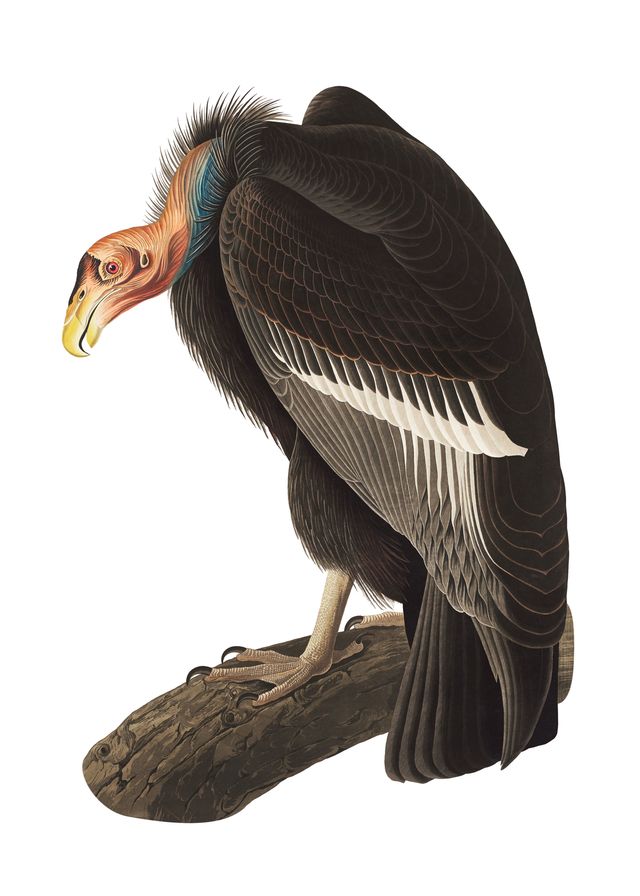
PLANT: Plant radish, kale, spinach, and lettuce seeds in early September. Plant garlic in mid to late October. If you plan to plant a cover crop like October bird: Vulture—resourceful and patient oats, hairy vetch, buckwheat, or crimson clover now is the time to do that. Fall is also a good time to plant trees and shrubs before the first frost in mid-to-late October.
LAWN CARE: September is the best time to fertilize your lawn and add seed to bare patches. Make the last lawn cutting one inch lower than usual to prevent matting and to discourage snow mold. Aerate the lawn, too, before the snow starts to fall.
MOVE TENDER PLANTS INSIDE: Bring in any houseplants you took outside over the summer. Make sure they are pest-free. If you are unsure, isolate them from other indoor plants for a few weeks.
PRESERVING: It’s time to start canning, freezing, drying, and preserving your harvest of fruit, vegetables, and herbs.

NOVEMBER/DECEMBER
Time outside in the garden is limited due to weather, but there are still a few chores to tackle before the end of the year.
FINAL PROTECTION: Add straw to the strawberry bed. Pine needle straw works very well if you have some handy. Tie down climbing rose canes to protect them from freezing winds.
WINTER PRODUCE: If you use cold frames this is the time to set them up. Plant winter-hardy greens going in your greenhouse if you have one.
TOOLS: Clean, sharpen, and store garden equipment. Sharpen lawn mower blades before storing.
HOSES: Drain the hoses and shut off water spigots.
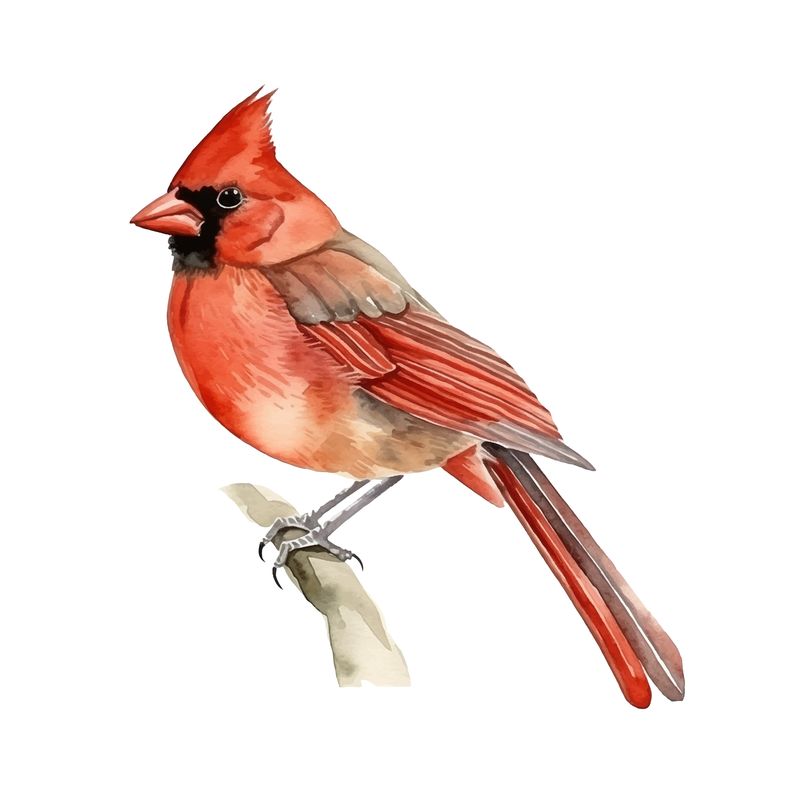
BIRDS: Clean bird feeders one more time and change bird food to include sunflower and nyjer seeds and perhaps a suet cage. Empty birdbaths or add a small heater available online or at local garden and bird feeder store.
STOP BUGGING ME!
Check for indications of bug infestation (chewed leaves, puncture wounds, sticky substances, trails in leaves) or disease (yellow leaves, stunted growth, signs of fungi) on all your plants. Check under the leaves of tomato, potato, pepper, and eggplants for hornworm eggs. Look for Spotted Lanternflies and their egg masses. Keep an eye out for scarlet-red Lily Leaf beetles, Japanese beetles, Colorado potato beetles, etc. Don’t just inspect plants. Make sure to keep an eye on trees, compost, grass, and bushes, too. In addition, every time you buy a new plant or get one from a fellow gardener, check for pests and consider treating with neem oil spray before planting.
This article originally appeared in the January/February 2026 issue of Upstate Gardeners’ Journal.
Views: 7